Common Culinary Sage Bare Root Cuttings for Sale

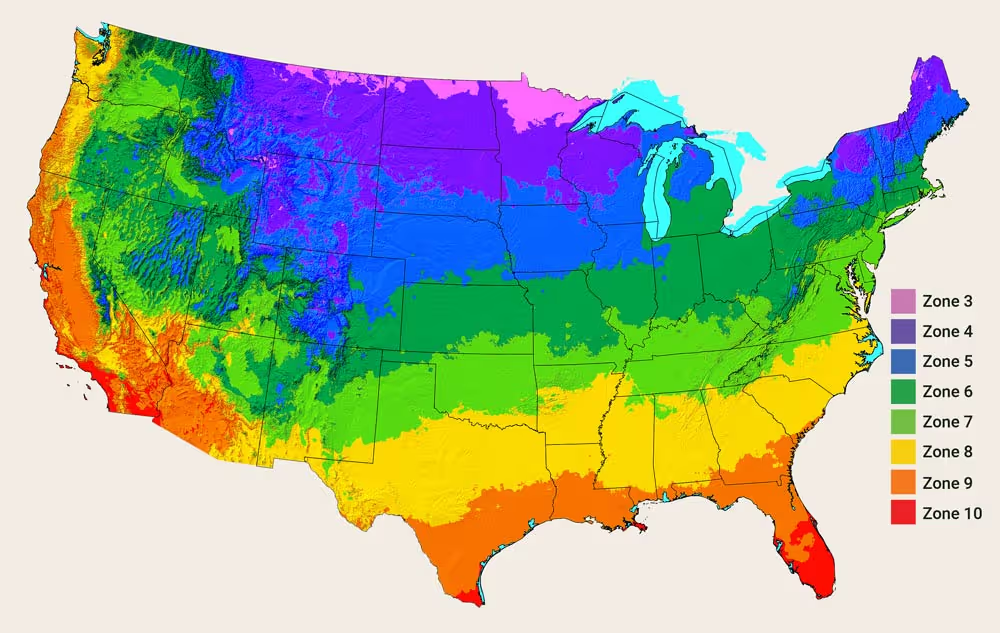
  • USDA Zone
    4-10
  • Plant Layer
    Herbaceous
  • Native Range
    Mediterranean and Middle East
  • Life Cycle
    Perennial

Common culinary sage bare root cuttings for edible landscapes and food forests. Hardy perennial, pollinator-friendly, strong non-root-bound roots.

$ 15.00 USD
In-Stock
Sold-Out

Sage

Salvia officinalis

Common Culinary Sage Bare Root Cuttings for Sale

Common Sage Companion Plants for Fruit Trees and Orchards

Buy Common Culinary Sage Bare Root Cuttings

Edible Landscape & Permaculture Food Forest Support Plant

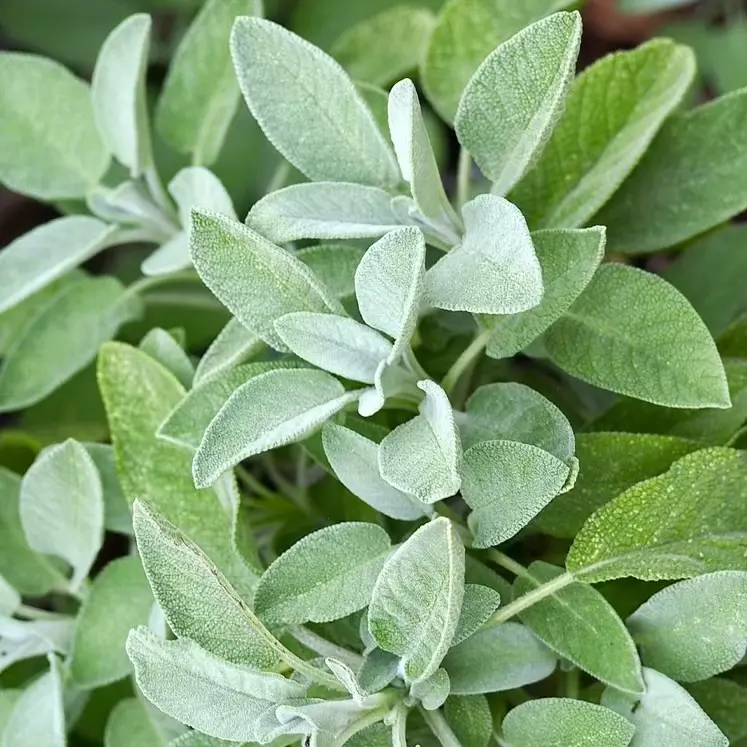
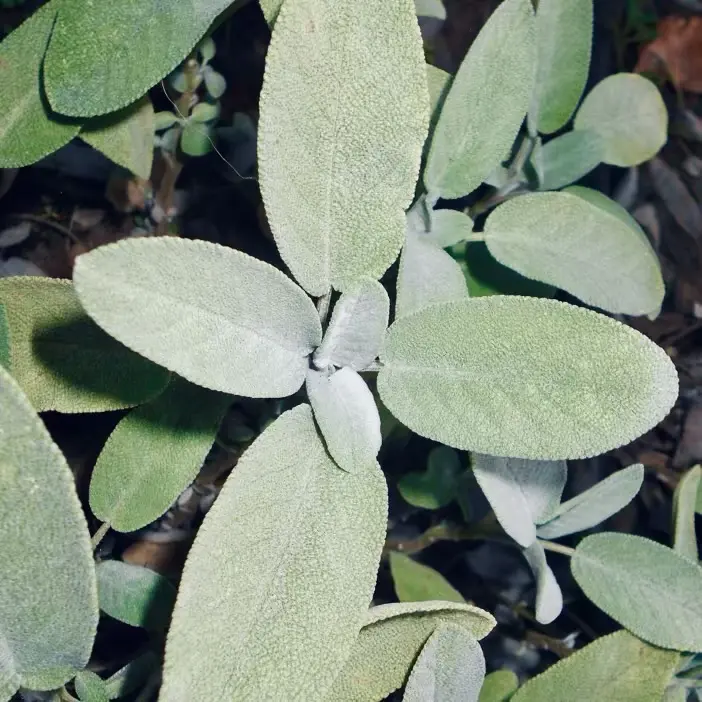
Common culinary sage (Salvia officinalis) is a hardy, aromatic perennial herb that earns its place in edible landscapes and permaculture food forests. Grown for centuries as both a kitchen staple and medicinal plant, sage also functions as a pollinator magnet, pest deterrent, and soil-supporting companion plant.

Our bare root sage cuttings establish quickly, develop deep roots, and thrive with minimal inputs—making them an ideal plant for regenerative gardens, perennial polycultures, and low-maintenance food forest systems.

Why Grow Culinary Sage in an Edible Landscape?

Sage is far more than a culinary herb. In permaculture systems, it plays multiple stacked roles:

• Edible leaves for fresh and dried culinary use

• Perennial structure that anchors herb layers in food forests

• Pollinator support for bees and beneficial insects

• Companion plant that helps deter pests around fruit trees and vegetables

• Soil stabilizer with fibrous roots that protect topsoil

Once established, sage is drought-tolerant, long-lived, and highly productive with very little maintenance.
Ideal for Permaculture & Food Forest Guilds

Common culinary sage fits perfectly into the herbaceous layer of a food forest. It pairs well with:

  • Fruit trees (apple, pear, plum, pawpaw)

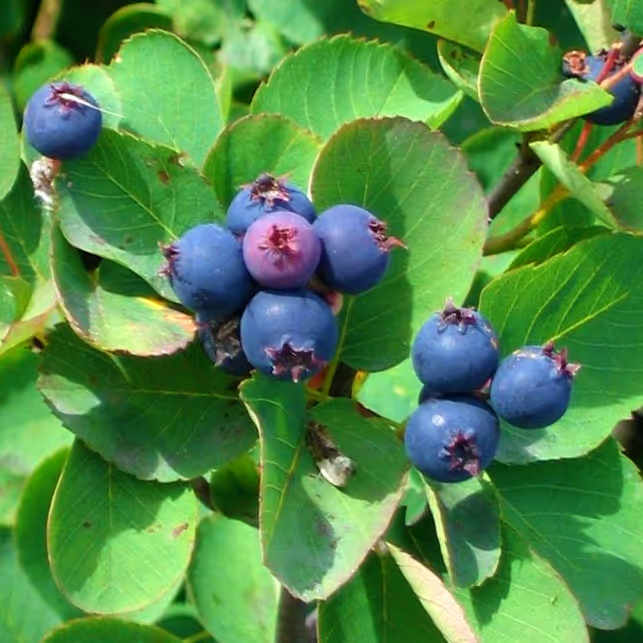
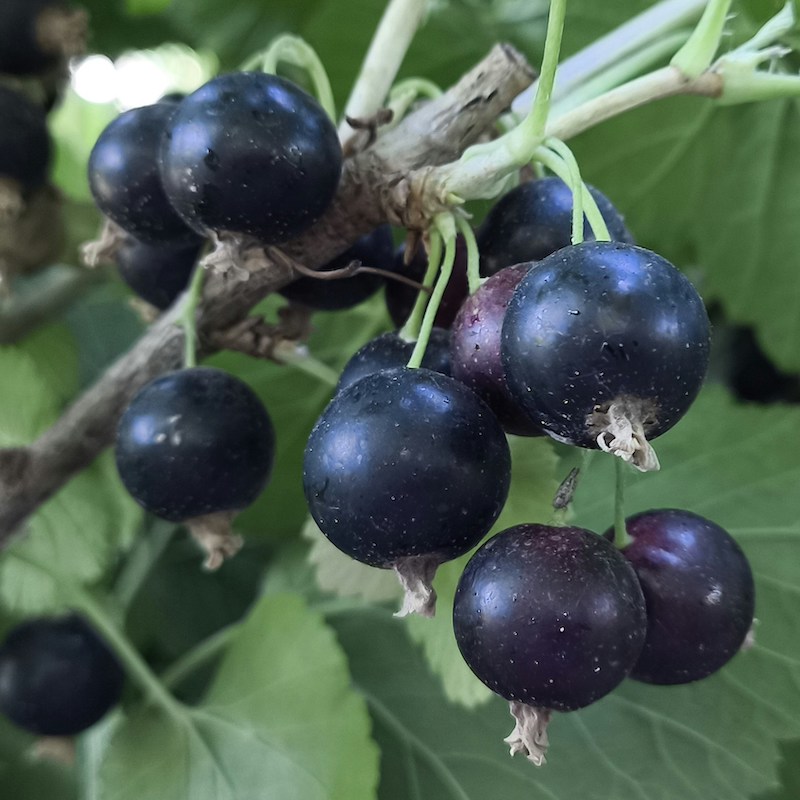
  • Berry shrubs

  • Nitrogen-fixing companions

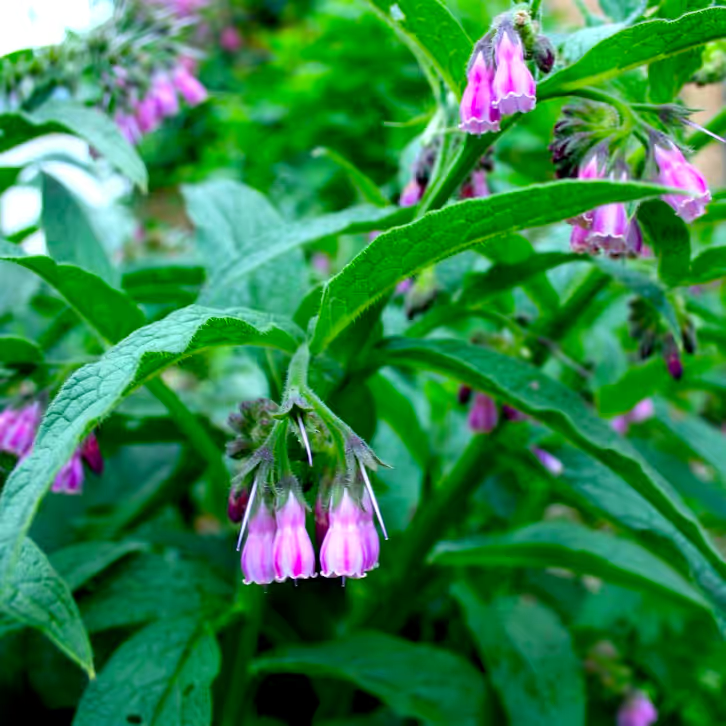
  • Other perennial herbs like thyme, oregano, yarrow, and comfrey

Its aromatic oils can help confuse pest insects, while its flowers provide a reliable nectar source during bloom periods when pollinators need it most.

Pollinator & Beneficial Insect Plant

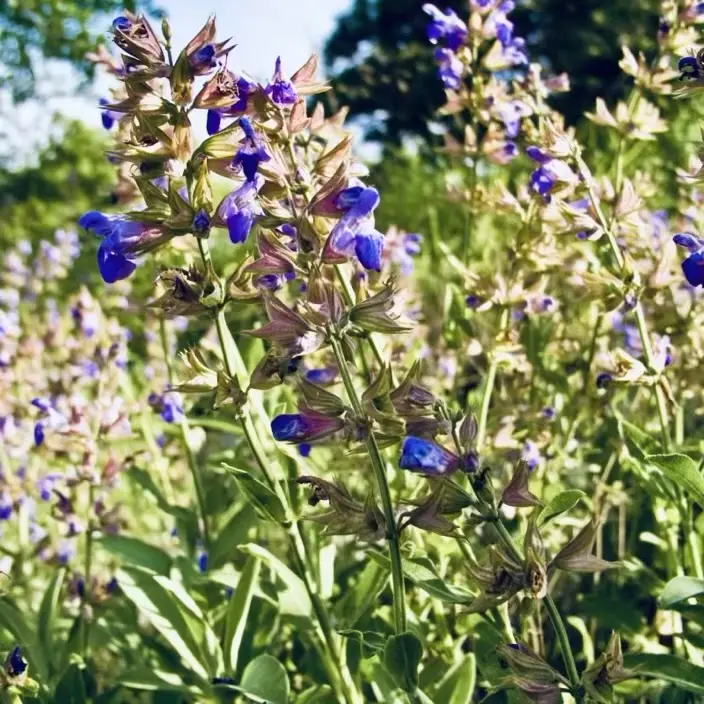
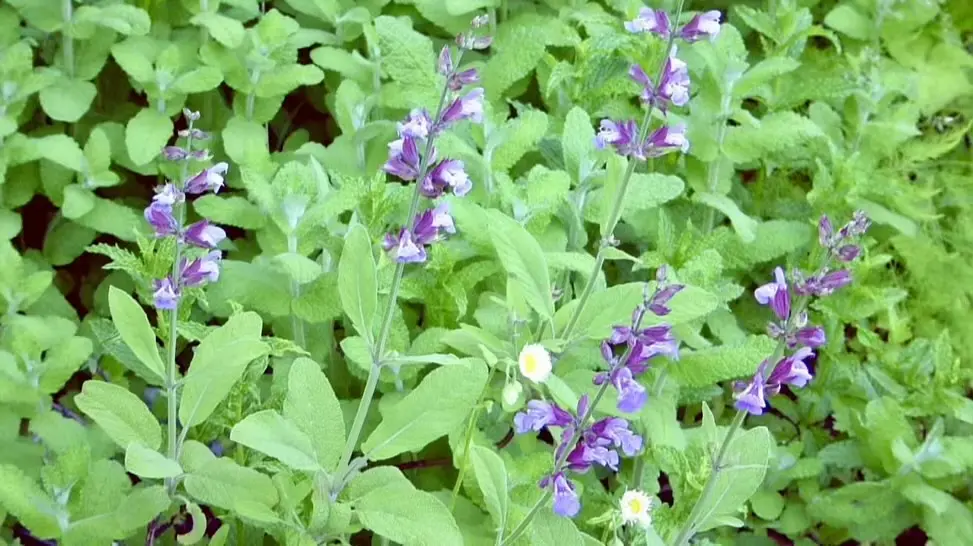
When allowed to flower, sage produces beautiful purple-blue blooms that attract:

  • Native bees

  • Honeybees

  • Beneficial predatory insects

Leaving some sage plants unharvested during bloom boosts ecosystem resilience and pollinator diversity across your landscape.

Sage

USDA Zone

4-10

Sage

USDA Zone

4-10

Growing Conditions

  • Sun: Full sun to partial shade

  • Soil: Well-drained; tolerates poor soils

  • Water: Low once established

  • Hardiness: Perennial in most temperate climates

  • Maintenance: Minimal; prune lightly to maintain shape

Bare Root Sage Cuttings – Why They Matter

Our bare root sage cuttings offer several advantages:

  • Fast establishment when planted in cool seasons

  • Lower transplant shock than potted herbs

  • Stronger root development from day one

  • Easy integration into new or existing food forests

Bare root planting is the preferred method for many permaculture growers focused on long-term plant health and system resilience.

Soil-Building & Low-Input Performer

While not a nitrogen fixer, sage contributes to soil health by:

• Developing deep, stabilizing root systems

• Producing biomass for chop-and-drop mulching

• Thriving without heavy fertilization

It performs especially well in well-drained soils and is ideal for slopes, raised beds, and orchard understories.

Culinary & Traditional Uses

Common sage is prized for its savory, earthy flavor and is traditionally used in:

  • Meat and vegetable dishes

  • Stuffings and soups

  • Herbal teas

  • Traditional herbal preparations

Leaves can be harvested throughout the growing season and easily dried for year-round use.

A Must-Have Herb for Regenerative Gardens

Whether you’re planting a backyard food forest, upgrading an edible landscape, or expanding a permaculture system, common culinary sage delivers food, function, and ecological value in one tough, beautiful plant.

Add sage to your landscape and let it work for your soil, pollinators, and kitchen—year after year.

Sage

FAQ

Is common culinary sage a perennial?

Yes. Salvia officinalis is a long-lived perennial herb in most temperate climates.

Can sage be grown in food forests?

Absolutely. Sage thrives in the herb layer of food forests and works well in guilds around fruit trees.

Does sage attract pollinators?

Yes. When flowering, sage is highly attractive to bees and other beneficial insects.

Is sage drought tolerant?

Once established, sage is very drought tolerant and well suited to low-input systems.

Why buy bare root sage cuttings?

Bare root cuttings establish quickly, develop stronger root systems, and are ideal for permaculture and edible landscape plantings.

Bare Root Shipping & Return Policy

We Ship Healthy Dormant Trees

At BearFruit Nursery, we make sure your bare root trees, shrubs, and plants arrive happy, healthy, and ready to grow. Orders ship in fall or early spring while plants are dormant to reduce transplant shock.

Here’s what to expect:
Your shipment may look like a “stick in the mud” — that’s normal!
You’ll receive a healthy, leafless plant with a moist, sawdust-wrapped root system.
The sawdust keeps roots from drying out and supports long-term growth.
Our plants are grown in soil, not pots, developing strong root systems that quickly outgrow container-raised plants.

If your order arrives damaged, incomplete, or not as expected:
Contact us within 14 days of delivery.
We’ll send a one-time free replacement if available, or issue a full refund if it’s out of stock.
Our goal is simple — to send you strong, healthy plants that thrive once in the ground.
"Everything was fine with our order."
- Jerri S. Maine
"All four trees in our order look good and planted."
- Patti K. Illinois

Customer Reviews

Grow More Bare Root Fruit Trees & Shrubs

Naturally Grown Cold Hardy Plants
At BearFruit Nursery we are driven by our passion to steward our land in a manner that allows us to care for people and generate abundant harvests. We never use pesticides or herbicides on our plants. Our inputs include locally sourced wood chip mulch and grass mulch, leaf mulch, and compost that we collect on our site. We grow our plants outside in the ground or in raised beds.
Learn More