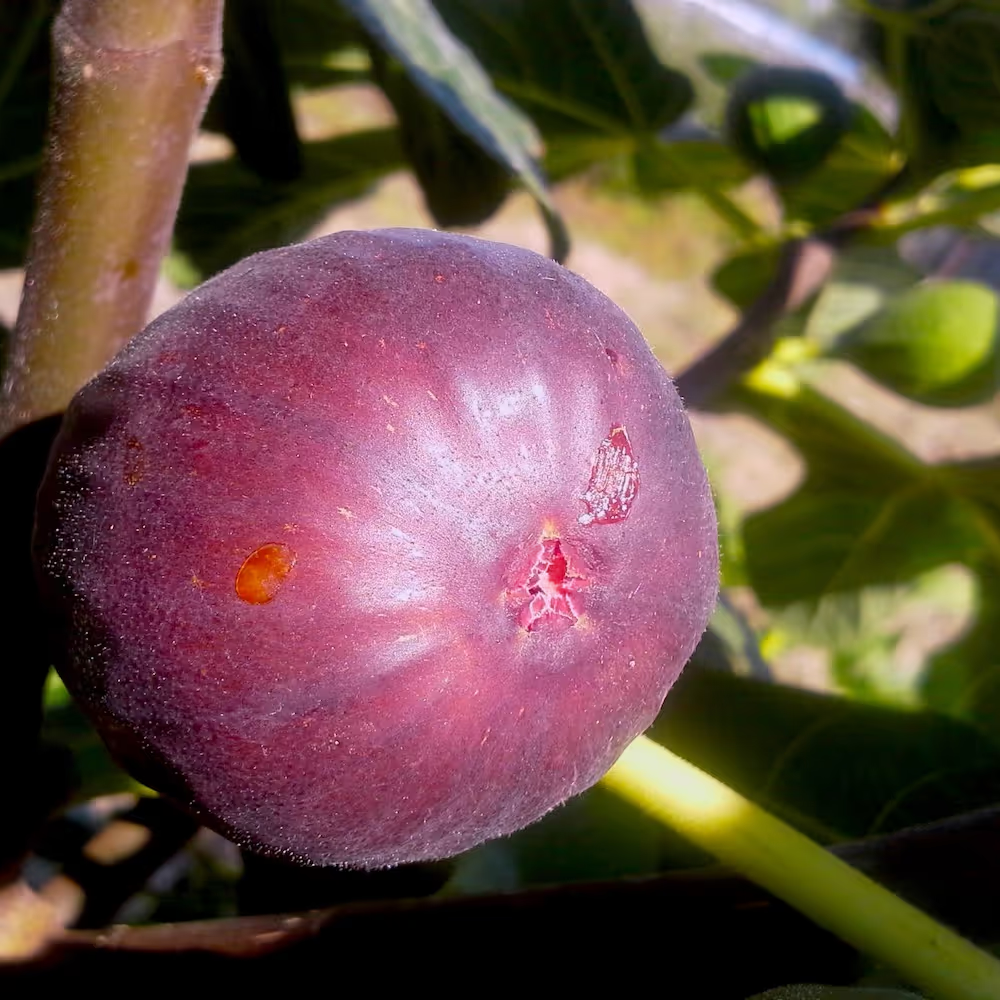
Chicago Hardy Fig Tree - Sweet, Cold-Hardy Fig Variety

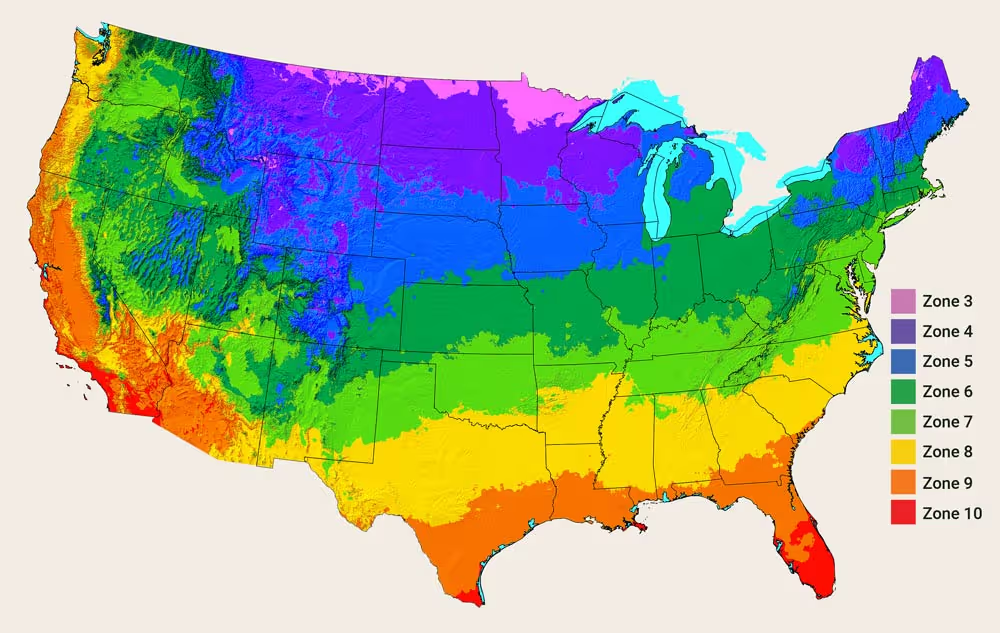
  • USDA Zone
    5-9
  • Plant Layer
    Understory Tree
  • Native Range
    Cultivated variety of Ficus carica (Mediterranean origin), bred in the U.S. for cold-hardiness.
  • Life Cycle
    Perennial

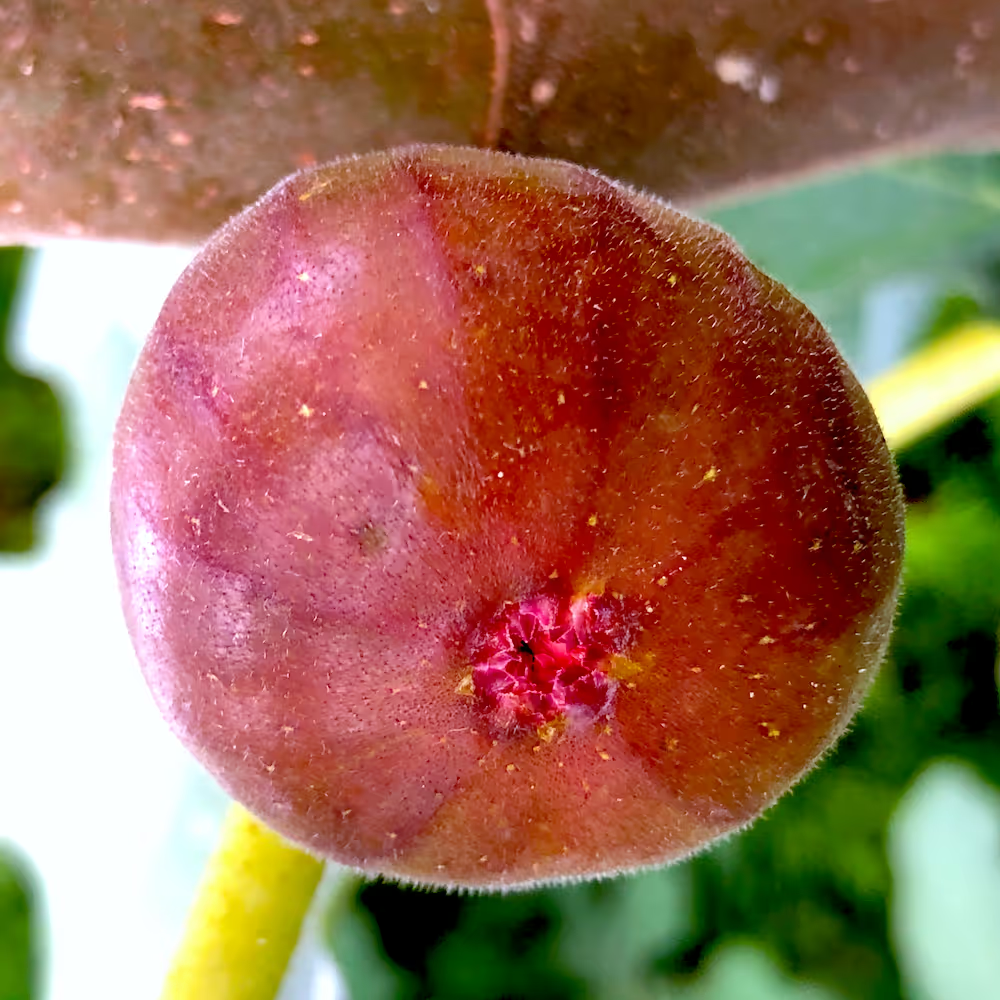
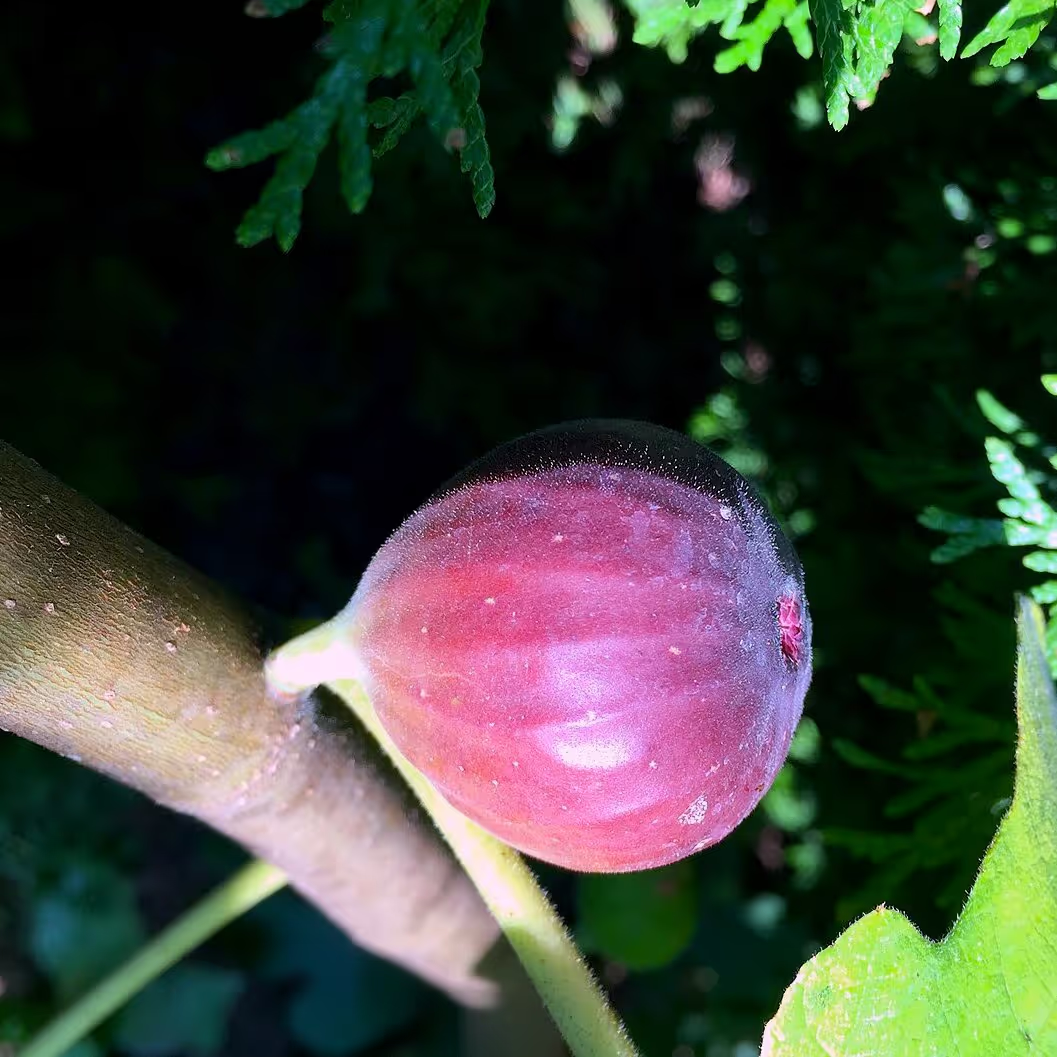
The Chicago Hardy Fig Tree is a cold-hardy fig ideal for northern gardens and USDA Zones 5–9. Self-fertile and resilient to winter temperatures down to -20°F, it produces sweet, medium-sized figs with strawberry-colored flesh and dark purple-brown skin. Perfect for home orchards, backyard gardens, and edible landscapes, this fig tree thrives in full sun and delivers fruit for fresh eating, drying, or preserves.

$ 15.00 USD
In-Stock
Sold-Out

Chicago Hardy Fig

Ficus carica ‘Chicago Hardy’

Chicago Hardy Fig Tree - Sweet, Cold-Hardy Fig Variety

Best Companion Plants to Grow with Chicago Hardy Fig

Why Plant Chicago Hardy Fig Trees?

Cold-Hardy Fig Tree for Northern Gardens

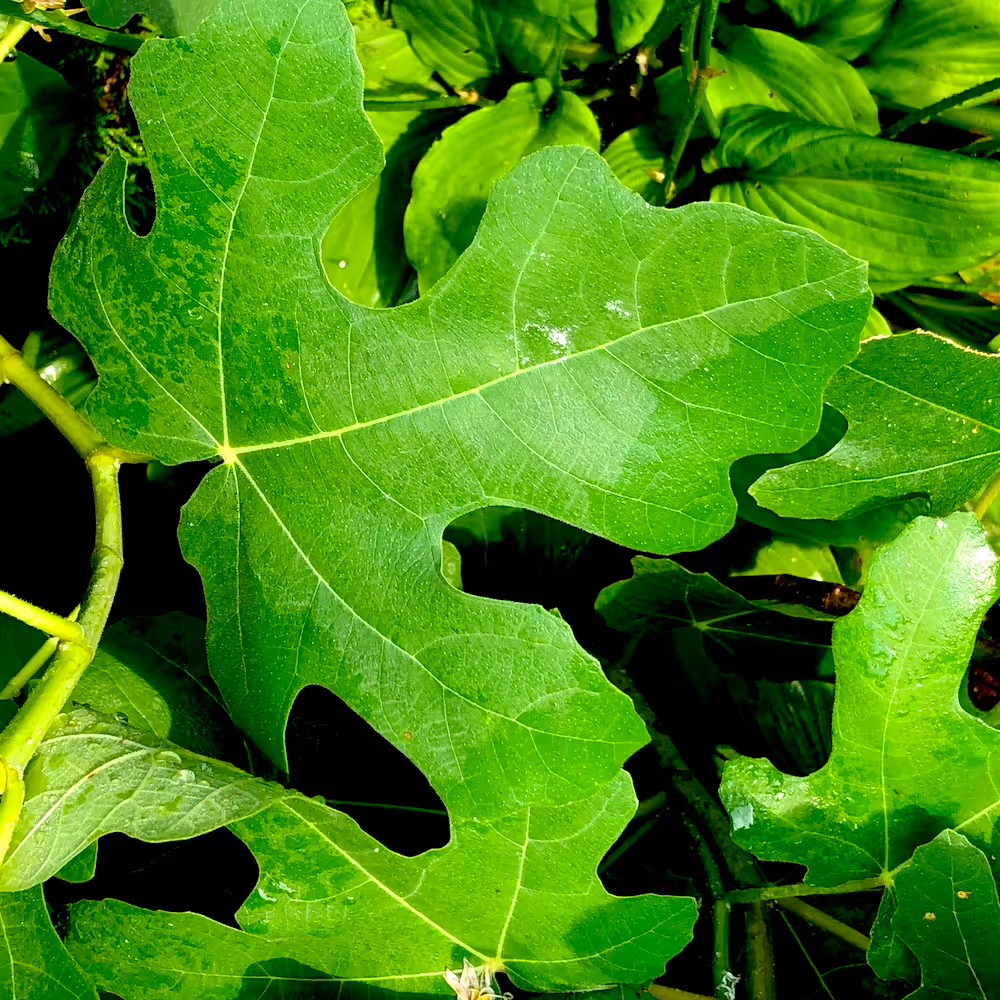
Chicago Hardy Fig Trees (Ficus carica ‘Chicago Hardy’) are one of the most cold-tolerant fig varieties, thriving in USDA zones 5–9. Ideal for northern gardens, these hardy figs produce glossy green leaves, smooth bark, and sweet, strawberry-colored fruit perfect for fresh eating, drying, or preserves.

Sweet, Flavorful Fruit

Enjoy the rich, sweet flavor of Chicago Hardy Figs straight from your backyard. This cold-hardy fig variety delivers juicy, soft fruit that’s hard to find in stores, making it a favorite for gardeners who want fresh figs all season.

People, Wildlife, and History

Not only delicious for humans, Chicago Hardy Figs attract birds, squirrels, and other wildlife. Historically, pioneers valued fig trees like this one, often carrying cuttings or small plants with them as they traveled west, ensuring they had a sweet, reliable food source in new settlements. We don't recommend this but fig leaves were also used as undergarments in the past (see Adam & Eve).

Why Buy Our Chicago Hardy Fig Trees?

Our trees are grown outdoors in nutrient-rich soil, with strong root systems for easy transplanting. We avoid herbicides, pesticides, and chemical fertilizers, ensuring healthy, long-lasting fig trees. Each tree is selected for cold-hardiness and superior fruit flavor.

Multiple Planting Options

We also offer packs of 3 node cuttings, perfect for gardeners looking to propagate their own trees or expand their orchard. These cuttings are an easy, affordable way to grow your Chicago Hardy Fig collection.

Hardy Fig Site Selection:

Choose a location with full sun for the best fruit production. Chicago Hardy Figs tolerate partial shade but may produce fewer fruits. Ensure good air circulation to prevent disease and select well-draining soil to avoid root rot. Chicago Hardy Figs may also be grown in containers and brought indoors over the winter.
Chicago Hardy Fig Tree Traits & Qualities

Cold-Hardy Fig Variety: Thrives in USDA Zones 5–9; survives winter temperatures down to around -20°F.

Other Common Names: Hardy fig, Northern fig

Native/Adapted Range: Cultivated variety bred for cold tolerance in northern climates

Years to Bear Fruit: 1–3 years (Jesus likely won't curse these prolific figs)

Pollination: Self-fertile (no second tree required)

Bloom Color: Greenish inconspicuous flowers

Fruit Color: Purple-brown skin with strawberry-colored flesh

Fruit Size: Medium

Foliage Color: Glossy green

Bark: Smooth, light grey-brown

Size: 10-15ft warmer climates, 3-4ft cooler climates

Harvest Time: Late Summer/Fall, small spring crop may also appear in warmer climates

Edible Parts: Fruit (skin edible)

Taste: Sweet, rich fig flavor

Texture: Soft, juicy

Culinary Uses: Eat fresh, dry, bake, or preserve in jams and desserts

Historical Note: Early American settlers and pioneers often carried fig cuttings west for reliable, sweet fruit

Wildlife Attraction: Birds, squirrels, and other wildlife enjoy the ripe figs

Plant Forms Sold: Nursery-grown trees and packs of 3 node cuttings for propagation

Does Not Ship To: Due to strict Agricultural Laws in place, we do not ship to Alaska, Arizona, California, Hawaii.

Chicago Hardy Fig

USDA Zone

5-9

Chicago Hardy Fig

USDA Zone

5-9

How to Plant Chicago Hardy Fig Trees

Fig Soil Requirements:
Chicago Hardy Fig Trees prefer fertile, loamy soil with a slightly acidic to neutral pH (6.0–7.0). Avoid heavy clay soils that retain water, as fig roots are sensitive to waterlogged conditions.

Planting Bare Root Trees: Soak bare root trees 12–24 hours before planting. Dig a hole 2–3 times wider than the roots, spread roots evenly, backfill, and water thoroughly.

Planting 3-Node Cuttings: Plant healthy cuttings 2 nodes deep in loose, well-draining soil, keeping the third node above soil level. Maintain consistent moisture and protect young cuttings from harsh winter conditions.

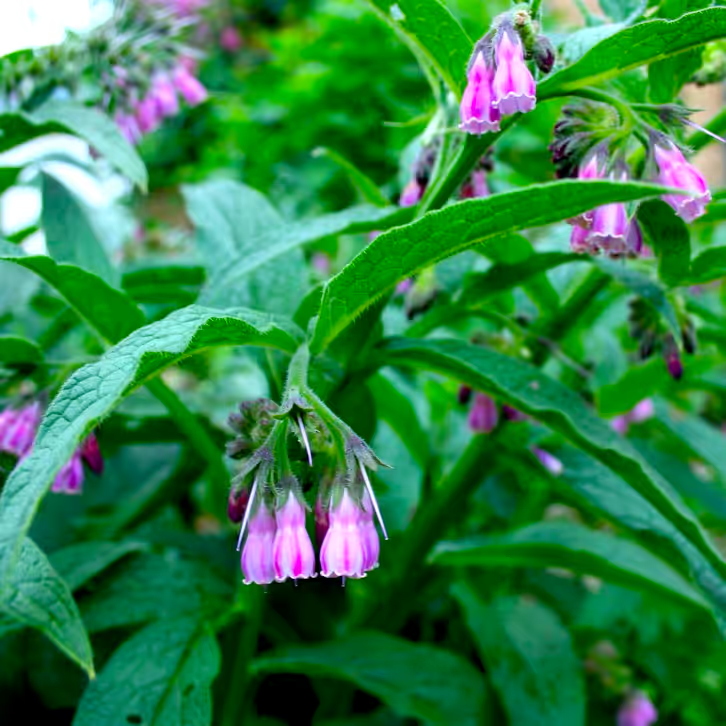
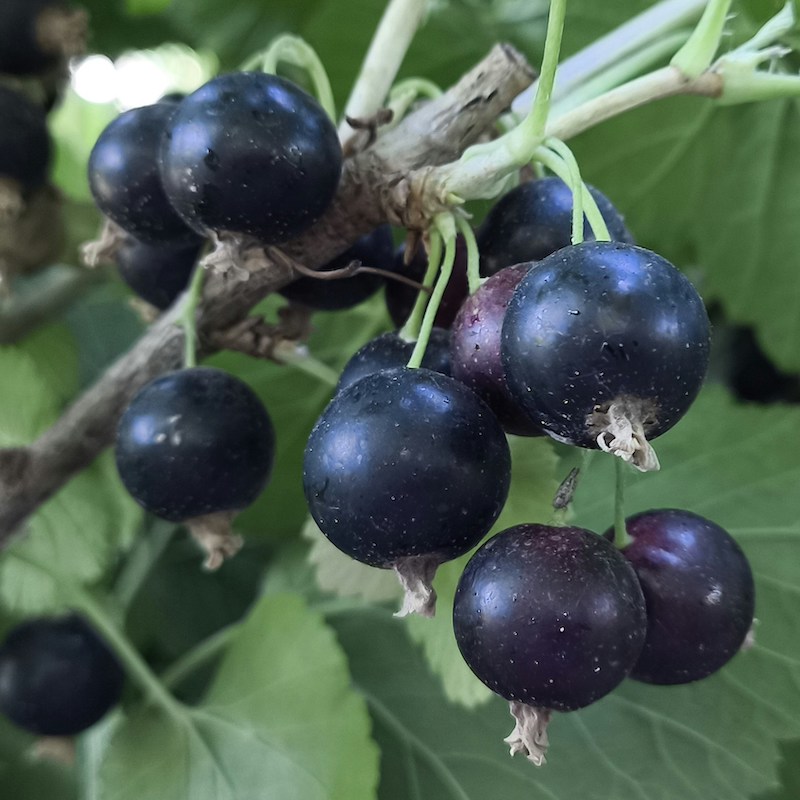
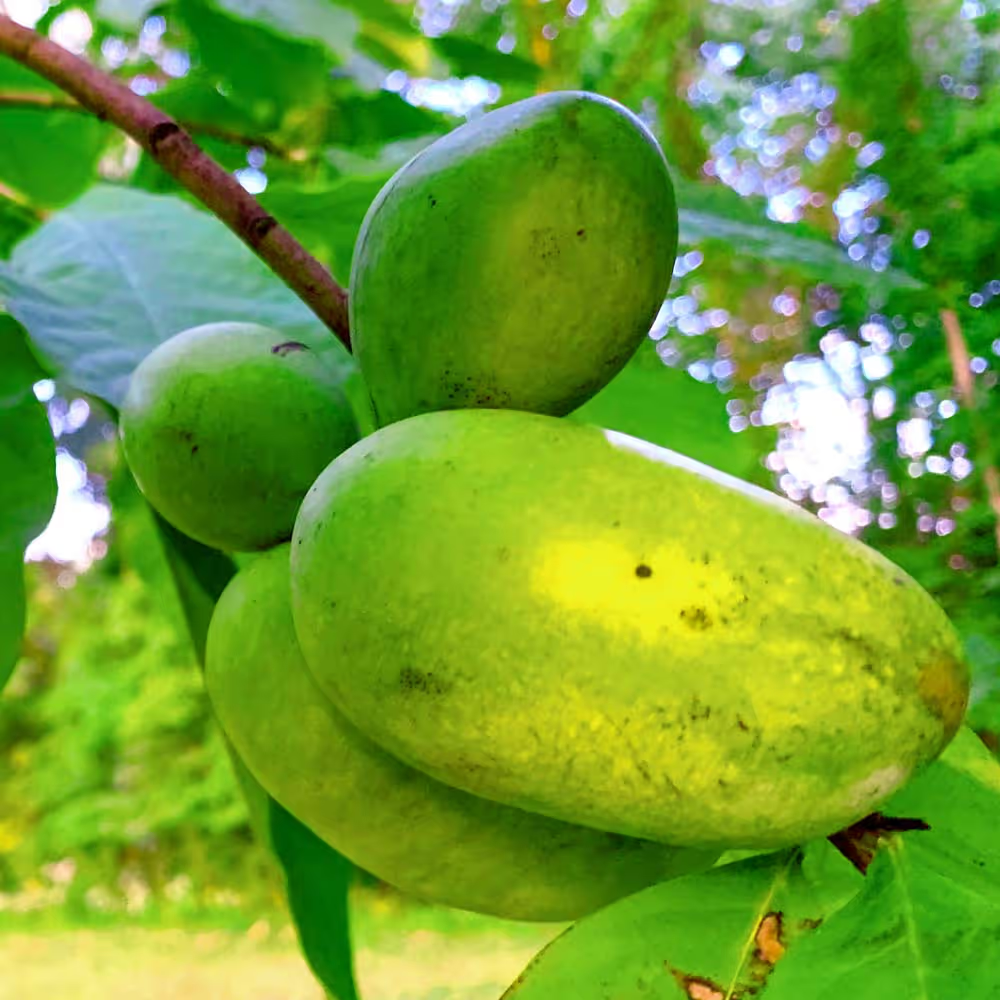
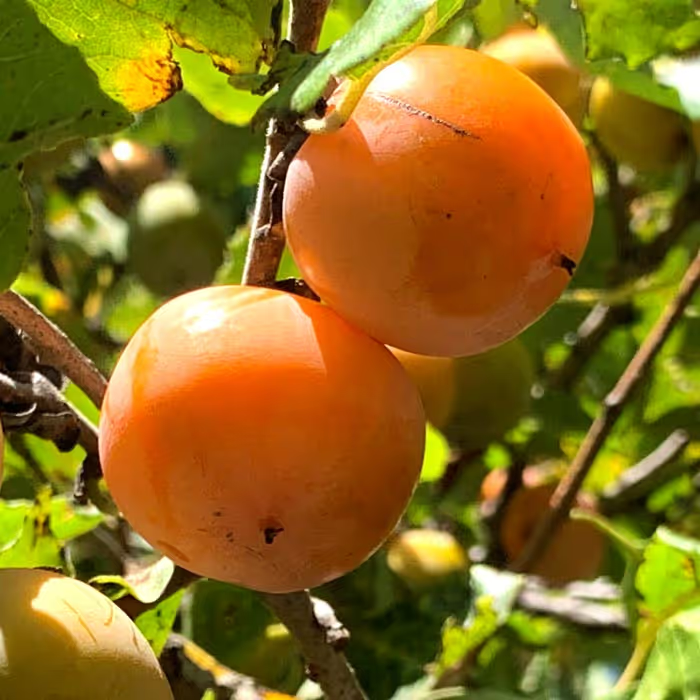
Food Forest Companion Plants: Enhance growth and fruit production by planting companions around your fig tree. Nitrogen-fixing plants like clover and nutrient accumulating plants like comfrey enrich the soil. Pollinator-friendly flowers such as lavender and borage attract beneficial insects. Ground covers like strawberries, creeping thyme, and chamomile retain moisture and suppress weeds. Other fruit trees and shrubs like pawpaw, American persimmon, and elderberry create layered harvests, while herbs and vegetables such as garlic, chives, and basil help repel pests and support plant health.

Watering & Mulching:
Water regularly during the first growing season to establish roots. Apply a 2–3 inch layer of mulch around the base to retain moisture and moderate soil temperature.

Spacing:
Plant Chicago Hardy Fig Trees 10–15 feet apart to allow full canopy development and easy harvesting.

Chicago Hardy Fig Winter Protection:
While extremely cold-hardy, young trees benefit from winter protection such as burlap wraps or mulch mounds in USDA zones 5–6.

Nutritional Benefits of Chicago Hardy Figs

Chicago Hardy Figs (Ficus carica ‘Chicago Hardy’) are not only delicious but also packed with nutrients that support overall health:

  • Rich in Dietary Fiber: Helps support healthy digestion and maintain steady blood sugar levels.
  • High in Vitamins: Contains vitamin A, vitamin K, and several B vitamins for immune support, bone health, and energy metabolism.
  • Mineral Content: Excellent source of potassium, magnesium, calcium, and iron, which contribute to heart health, strong bones, and proper muscle function.
  • Natural Antioxidants: Contains polyphenols and flavonoids that combat free radicals, supporting cellular health and reducing inflammation.
  • Low in Fat & Calories: A naturally sweet, low-calorie snack, perfect for healthy diets and natural energy boosts.
  • Supports Heart Health: Potassium and fiber help maintain healthy blood pressure and cholesterol levels.

Fun Fact: Figs have been enjoyed for thousands of years and were even carried by pioneers for their sweet, energy-rich fruit—making them a historic and nutritious addition to any garden.

Chicago Hardy Fig

FAQ

Q: What is a Chicago Hardy Fig Tree?
A: Chicago Hardy Fig (Ficus carica ‘Chicago Hardy’) is a cold‑hardy fig variety known for surviving winter temperatures in USDA Zones 5–9 and producing sweet, medium‑sized figs ideal for fresh eating, drying, and preserving.

Q: How cold‑hardy is the Chicago Hardy Fig?
A: Chicago Hardy Fig Trees are one of the most cold‑tolerant fig varieties, with mature trees surviving temperatures down to about ‑20°F once established, making them suitable for northern gardens.

Q: Do Chicago Hardy Fig Trees need another tree for pollination?
A: No. Chicago Hardy Fig Trees are self‑fertile, meaning they do not require a second fig tree for pollination to produce fruit.

Q: When will my Chicago Hardy Fig Tree start producing fruit?
A: Most Chicago Hardy Fig Trees begin producing fruit within 1–3 years after planting. Cuttings may establish more quickly than bare root seedlings.

Q: What are the best growing conditions for Chicago Hardy Fig Trees?
A: Plant in full sun with well‑draining soil (loamy, pH 6.0–7.0). Water consistently during establishment and mulch to retain moisture. Ensure good air circulation to reduce disease pressure.

Q: Can I plant Chicago Hardy Fig Trees in containers?
A: Yes. Chicago Hardy Fig Trees can be grown in large containers if provided with good soil, adequate drainage, and winter protection in colder zones.

Q: Do you offer cuttings as well as trees?
A: Yes! We offer packs of 3 node cuttings, perfect for gardeners who want to propagate their own fig trees or expand an existing orchard affordably.

Q: What wildlife is attracted to Chicago Hardy Fig Trees?
A: Birds, squirrels, and other wildlife enjoy the ripe figs. Companion planting and proper management help balance wildlife activity with human harvest.

Q: How do I protect my fig tree in winter?
A: In USDA Zones 5–6, young trees benefit from winter protection like mulch mounds or burlap wraps. Established trees are very cold hardy but may still appreciate insulation in severe winters.

Q: What companion plants work well with Chicago Hardy Fig Trees?
A: Food forest companions include nitrogen‑fixers (clover), nutrient accumulators (comfrey). pollinator plants (lavender, borage), ground covers (strawberries, thyme), and other fruiting shrubs/trees (pawpaw, persimmon, elderberry).

Q: When will my order ship?
A: Shipping windows depend on season and plant form (bare root trees or cuttings). Check the product availability details or cart for current shipping dates and restrictions.

Bare Root Shipping & Return Policy

We Ship Healthy Dormant Trees

At BearFruit Nursery, we make sure your bare root trees, shrubs, and plants arrive happy, healthy, and ready to grow. Orders ship in fall or early spring while plants are dormant to reduce transplant shock.

Here’s what to expect:
Your shipment may look like a “stick in the mud” — that’s normal!
You’ll receive a healthy, leafless plant with a moist, sawdust-wrapped root system.
The sawdust keeps roots from drying out and supports long-term growth.
Our plants are grown in soil, not pots, developing strong root systems that quickly outgrow container-raised plants.

If your order arrives damaged, incomplete, or not as expected:
Contact us within 14 days of delivery.
We’ll send a one-time free replacement if available, or issue a full refund if it’s out of stock.
Our goal is simple — to send you strong, healthy plants that thrive once in the ground.
"Everything was fine with our order."
- Jerri S. Maine
"All four trees in our order look good and planted."
- Patti K. Illinois

Customer Reviews

Grow More Bare Root Fruit Trees & Shrubs

Naturally Grown Cold Hardy Plants
At BearFruit Nursery we are driven by our passion to steward our land in a manner that allows us to care for people and generate abundant harvests. We never use pesticides or herbicides on our plants. Our inputs include locally sourced wood chip mulch and grass mulch, leaf mulch, and compost that we collect on our site. We grow our plants outside in the ground or in raised beds.
Learn More