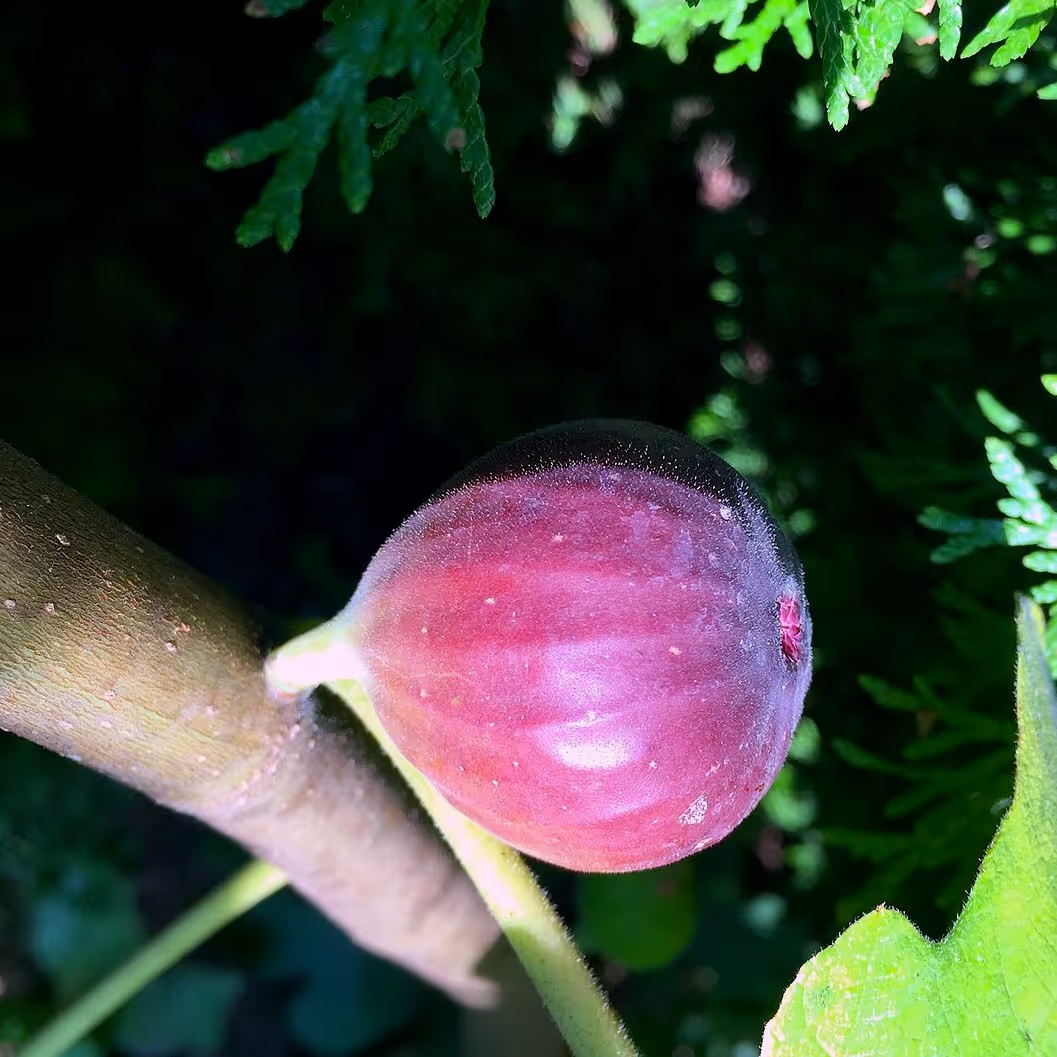
American Persimmon Trees (Diospyros virginiana) – Bare Root Native Fruit Trees for Sale

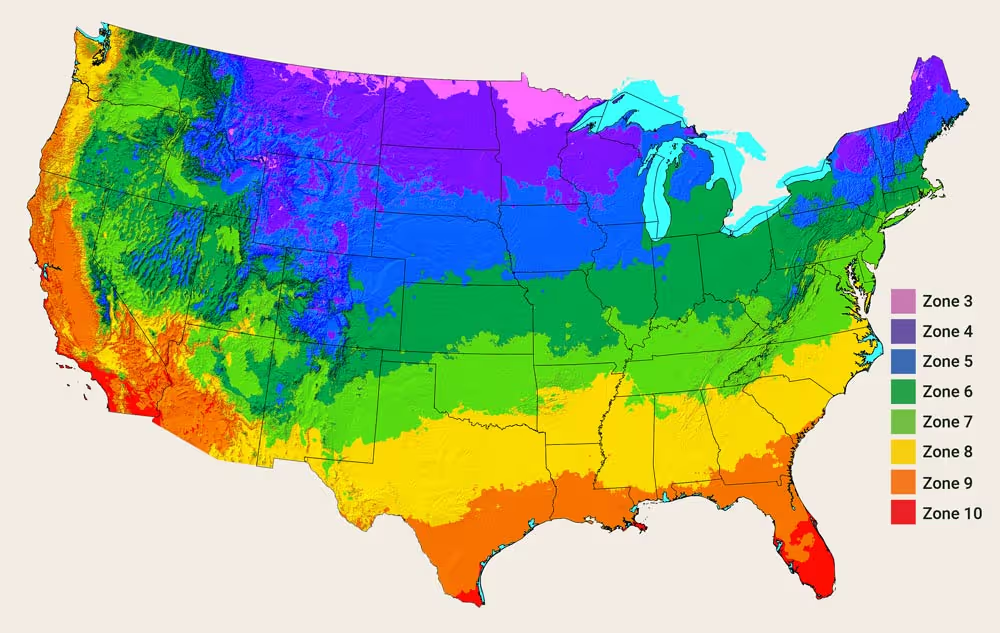
  • USDA Zone
    5-9
  • Plant Layer
    Understory Tree
  • Native Range
    Eastern & Central USA
  • Life Cycle
    Perennial

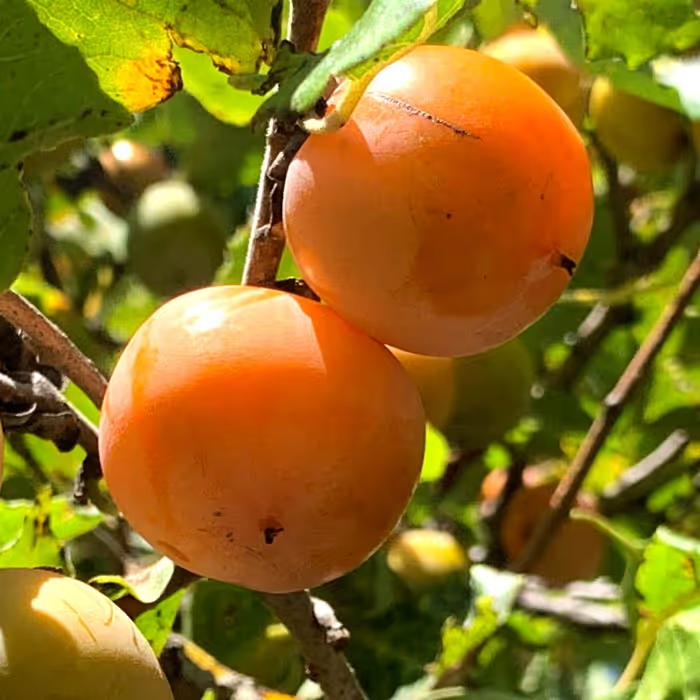
American Persimmon Trees (Diospyros virginiana) are cold-hardy native fruit trees perfect for home orchards, food forests, wildlife plots, and backyard plantings. These adaptable trees thrive in USDA Zones 5–9 and produce rich, sweet orange fruit in late fall that is prized by both people and native wildlife.

$ 10.00 USD
In-Stock
Sold-Out

American Persimmon

Diospyros virginiana

American Persimmon Trees (Diospyros virginiana) – Bare Root Native Fruit Trees for Sale

American Persimmon Companion Plants

Northern Pecan Bare Root Tree Seedlings

Northern Pecan

$ 10.00 USD
Hybrid Chestnut Tree Bare Root Seedlings

Hybrid Chestnut

$ 12.00 USD
Pawpaw Bare Root Tree Seedlings

Pawpaw

$ 10.00 USD
American Hazelnut Bare Root Plants

American Hazelnut

$ 12.00 USD
American Elderberry Bare Root Plants

Elderberry

$ 10.00 USD
Pixwell Gooseberry Plants - Bare Root

Pixwell Gooseberry

$ 10.00 USD
Chicago Hardy Fig Tree - Sweet, Cold-Hardy Fig Variety

Chicago Hardy Fig

$ 15.00 USD

American Persimmon Tree Overview

American Persimmon (Diospyros virginiana) produces sweet orange fruit in late fall. Native to the eastern and central United States, it supports wildlife and makes a low-maintenance orchard tree.

What Is an American Persimmon (Diospyros virginiana)?

American Persimmons might just be the sweetest autumn fruit that you will you ever eat. The American Persimmon wasn't given it's latin name, Diospyros virginiana, without reason. Diospyros means "Fruit of the Gods". Persimmons were an important part of Native American cuisine and medicine. Native to the eastern and central United States, American Persimmons seedlings are an attractive versatile low maintenance species that are perhaps even more appealing to deer, turkey, other wildlife, and livestock as they are to us.

What do American Persimmons Taste Like?

While easy to grow, American Persimmons are often misunderstood and are not a fruit that you are likely to run into at the grocery store. When harvesting the fruit it is important to wait until they are soft, mushy, and sometimes even beginning to darken in color as the fruit develops it's sugars. This process is known as bletting. Fully ripe persimmons lose their astringency and develop their signature sweetness only after softening, often following frost. These are not qualities that the supermarket fruit connoisseur are used to. While an unripe American Persimmon is firm, bright orange, more visually appealing; one bite will dry out your mouth in way that feels like things will never be normal again in the moment. That's ok, just bite into the next ripe one and let your fears melt way into the pleasant honey-apricot like flavors of the American Persimmon tree you planted in your backyard.

Why Choose Our American Persimmon Trees for Your Orchard or Property?

Our American Persimmon seedlings are grown outside in loose native soil that is amended with our own compost and mulched with grass, leaves, and locally sourced wood chips. We focus on developing strong robust root systems for easier transplanting and avoid growing in pots to prevent circling roots. We do not spray our trees with herbicides, pesticides or chemical fertilizers. We collect our American Persimmon seeds from a very old tree that was planted by a family member on family land in the late 1950s or early 1960s. This specific Persimmon tree produces fruit that is often larger and sweeter than other wild trees in our area. We believe this tree's genetics should live on just like the memories of our family before us. That same tree and its offspring are why we continue growing American persimmons today.

American Persimmon Tree Characteristics

These traits outline what growers can expect from American persimmon trees over the long term.

Other Common Names: Common Persimmon, Date Plum, Jove’s Fruit, and Winter Plum

Name Derivation: Derived from the Alongquin tribe word "Putchamin"

Native Range: Eastern and Central United States

Years to Bear Fruit: 4 years to 9 years

USDA Zone Range: 5 - 9

Pollination: Dioecious (male & female)

Bloom Color: small greenish white

Fruit Color: Orange

Fruit Size: Medium

Foliage Color: yellow-orange

Bark: deeply ridged grey rectangular patches

Edible Parts: Fruit, Seeds (must be properly prepared to make a coffee-like beverage)

Taste: Fruit is extremely sweet - like honey combined with notes of peach or apricot

Texture: Fruit is mushy when fully ripe after blettting

Culinary Uses: Persimmon fruit can be eaten fresh or dried. It is often pureed for use in pudding, ice-cream, or baked goods.

Folklore: Pioneers used the seeds to help predict the severity of the coming winter

Does Not Ship to: California

American Persimmon

USDA Zone

5-9

American Persimmon

USDA Zone

5-9

Growing American Persimmon Trees

American Persimmons can tolerate some shade as an understory tree or be planted in full sun as an overstory tree for maximum fruiting. This is a species that can thrive when planted next to or underneath Black Walnut trees. These guidelines are specific to bare root American persimmon trees planted during dormancy.

Seedling Size: 2 feet to 5 feet

Spacing: 15 feet to 20 feet

Plant Qty: We recommend planting 3 or more seedlings to ensure you have a male plant to pollinate a female plant in order to bear fruit

Deer browse resistant: No

Sun Exposure: Full Sun to Partial Shade

Soil Composition: well-drained, loamy texture but also tolerate heavy clay and dry soils

Soil Moisture: Well Drained

Soil pH Level: 6.0 - 7.0

Mature Height: 30 feet to 80 feet

Life Span: 75 years

Ripens/Harvest: Early September through November

Yield: 35 pounds to 75 pounds per female tree at maturity

Once established, American persimmons are notably tolerant of drought, heat, and variable soil conditions.

American Persimmon Nutrition & Health Benefits

In addition to their value as a tree crop, American persimmons have long been appreciated for their nutritional content.

Vitamins A and C: Can enhance skin health, strengthen the immune system, and boost collagen production

Manganese: essential for blood clotting

Antioxidants: may help reduce the risk of serious conditions like cancer and stroke

Flavonoids: antioxidant and anti-diabetic properties

Medicinal Uses: hemorrhages, gastrointestinal disorders, and infections

Bare Root American Persimmon Tree FAQ

Q: How do I know when the fruit is ripe?

A: Patience is key! American Persimmons are astringent when unripe; they need to be soft, mushy, and sometimes slightly overripe to develop their full sweetness. This process, known as "bletting," transforms the fruit into a delectable treat reminiscent of honey and apricot.

Q: Can I grow American Persimmons in my area?

A: Most likely! American Persimmons thrive in USDA hardiness zones 5 through 9, making them suitable for a wide range of climates. They prefer full sun and well-drained, loamy soil but are adaptable to various soil types.

Q: Do I need both male and female trees for fruit production?

A: Yes, American Persimmons are dioecious, meaning they have separate male and female trees. To ensure fruit production, you'll need at least one male tree to pollinate the female. Some cultivars may be self-fertile.

Q: How tall do American Persimmon trees grow?

A: These trees can reach heights of 30 to 50 feet. However, they can be maintained at a smaller size with proper pruning, making them suitable for various garden sizes.

Q: Are American Persimmons deer-resistant?

A: While deer may browse on young shoots, mature American Persimmon trees are generally deer-resistant. Their fruit, however, is highly attractive to wildlife, including deer, turkey, and birds.

Q: How do I care for my American Persimmon tree?

A: Caring for your tree involves:

  • Watering: Provide deep watering weekly, especially during dry periods.
  • Fertilizing: Use a balanced fertilizer in early spring if needed.
  • Pruning: Remove dead or crossing branches and shape the tree.
  • Mulching: Apply mulch around the base to retain moisture and regulate soil temperature.

With minimal maintenance, your tree will thrive and reward you with delicious fruit.

Q: How long does it take for a tree to bear fruit?

A: From seed, American Persimmons typically begin to bear fruit in 4 to 9 years. Our trees are grown from seed in great soil so you have a 1-2 year head start. With proper care, your tree will reward you with sweet fruit for decades.

Q: Can planting American Persimmons help attract deer for hunting?

A: Yes! Planting American Persimmons in hunting areas can attract deer, as they are naturally drawn to the sweet fruit. Strategically planting a few trees near feeding or travel areas can help improve hunting opportunities while providing a sustainable food source for wildlife.

If you still have questions, we’re always happy to help you decide if American persimmon is right for your land.

Bare Root Shipping & Return Policy

We Ship Healthy Dormant Trees

At BearFruit Nursery, we make sure your bare root trees, shrubs, and plants arrive happy, healthy, and ready to grow. Orders ship in fall or early spring while plants are dormant to reduce transplant shock.

Here’s what to expect:
Your shipment may look like a “stick in the mud” — that’s normal!
You’ll receive a healthy, leafless plant with a moist, sawdust-wrapped root system.
The sawdust keeps roots from drying out and supports long-term growth.
Our plants are grown in soil, not pots, developing strong root systems that quickly outgrow container-raised plants.

Due to the perishable and live nature of plants, we do not accept returns.
If your order arrives damaged or incorrect, please contact us within 48 hours of delivery with photos so we can resolve the issue. Approved claims may be resolved through:
Replacement of the damaged plant (subject to availability)
Refund for the damaged item

This policy applies to all live plants, trees, and shrubs sold through our website.
"Everything was fine with our order."
- Jerri S. Maine
"All four trees in our order look good and planted."
- Patti K. Illinois

Customer Reviews

Grow More Bare Root Fruit Trees & Shrubs

Naturally Grown Cold Hardy Plants
At BearFruit Nursery we are driven by our passion to steward our land in a manner that allows us to care for people and generate abundant harvests. We never use pesticides or herbicides on our plants. Our inputs include locally sourced wood chip mulch and grass mulch, leaf mulch, and compost that we collect on our site. We grow our plants outside in the ground or in raised beds.
Learn More