Orange Daylily (Ditch Lily) Bare-Root Divisions for Sale

  • USDA Zone
    3-9
  • Plant Layer
    Herbaceous
  • Native Range
    Native to eastern Asia - naturalized in central and eastern United States
  • Life Cycle
    Perennial

Orange Daylily (Ditch Lily) is a hardy, vigorous perennial grown for edible flower buds, pollinator activity, and dependable landscape coverage. Each established bare-root division includes 2–3 growing points, a substantial crown, and healthy roots for productive homestead gardens and food forests.

Shipping & Refund Policy >>
$ 5.00 USD
In-Stock
Sold-Out
(Ships dormant in Spring)

Orange Daylily (Ditch Lily)

Hemerocallis fulva

Orange Daylily (Ditch Lily) Bare-Root Divisions for Sale

Orange Daylily Companion Plants

American Elderberry Bare Root Plants

Elderberry

$ 10.00 USD
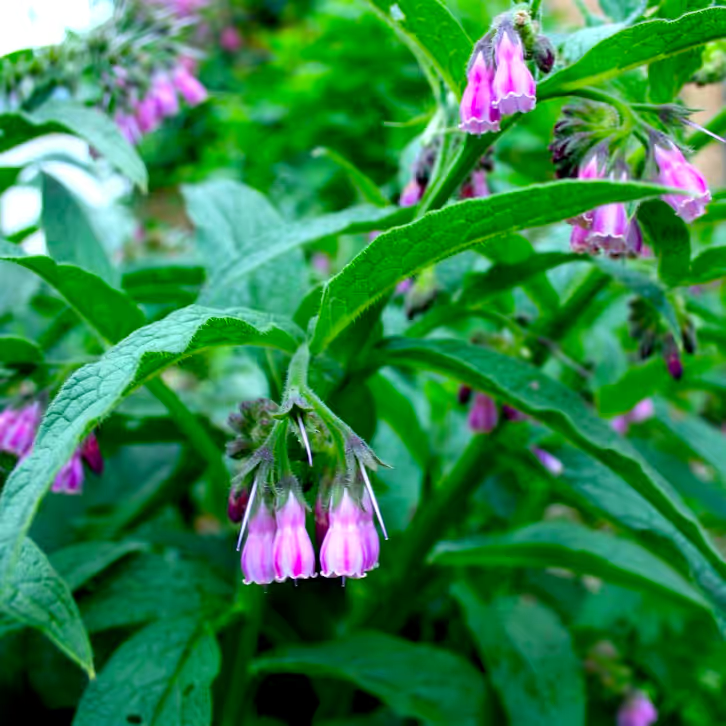
Bocking 14 Comfrey Root Crowns & Cuttings – Premium Forage & Fertility for Your Farm

Comfrey Bocking 14

$ 6.00 USD
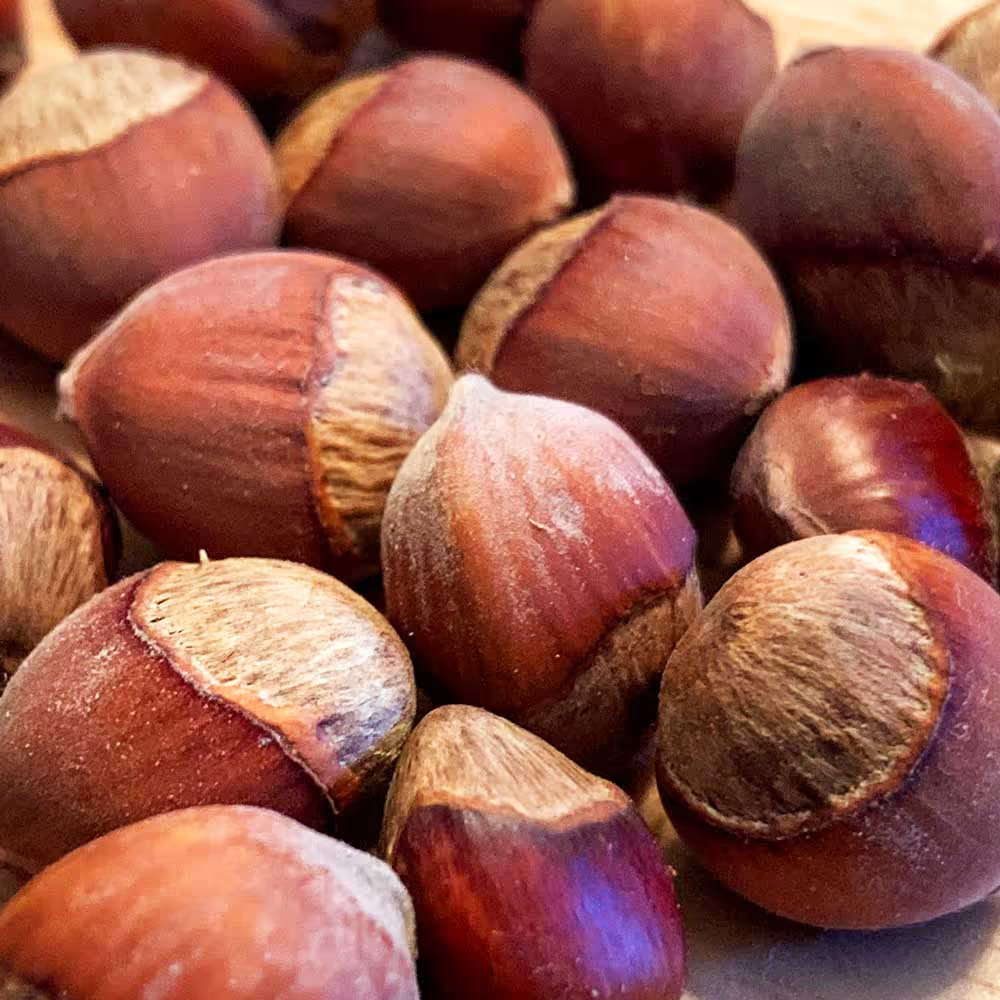
American Hazelnut Bare Root Plants

American Hazelnut

$ 12.00 USD
American Persimmon Trees (Diospyros virginiana) – Bare Root Native Fruit Trees for Sale

American Persimmon

$ 10.00 USD
Native Raspberry Plants for Sale – Hardy Blackcap Raspberries (Bare Root)

Blackcap Raspberry

$ 5.00 USD
American Plum Bare Root Tree Seedlings

American Plum

$ 10.00 USD

The Traditional Orange Ditch Lily

There is a reason orange ditch lilies have persisted around old homesteads, country roads, and farmsteads for generations. They are tough, adaptable, and remarkably easy to maintain once established.

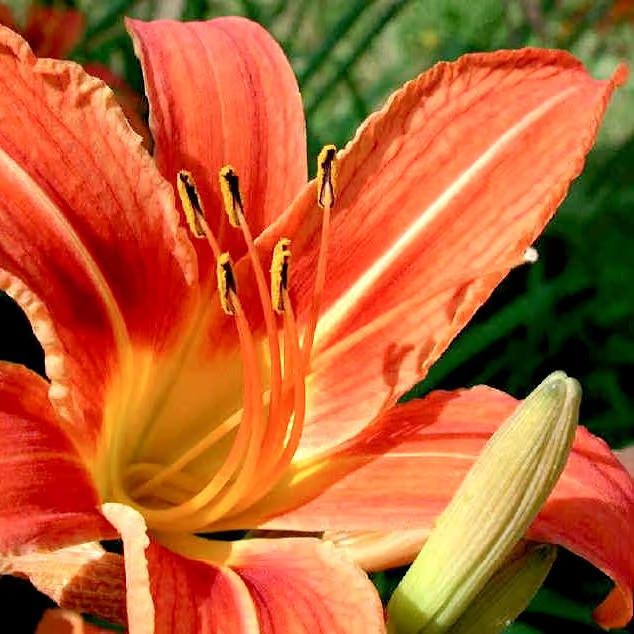
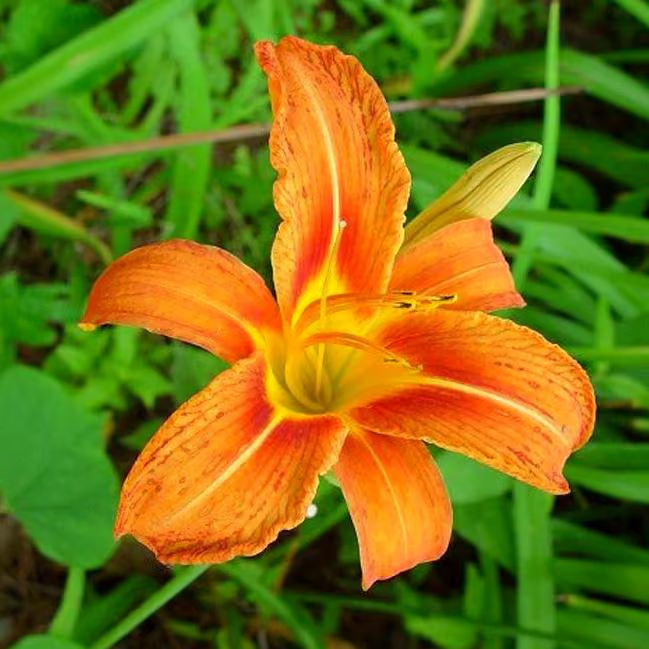
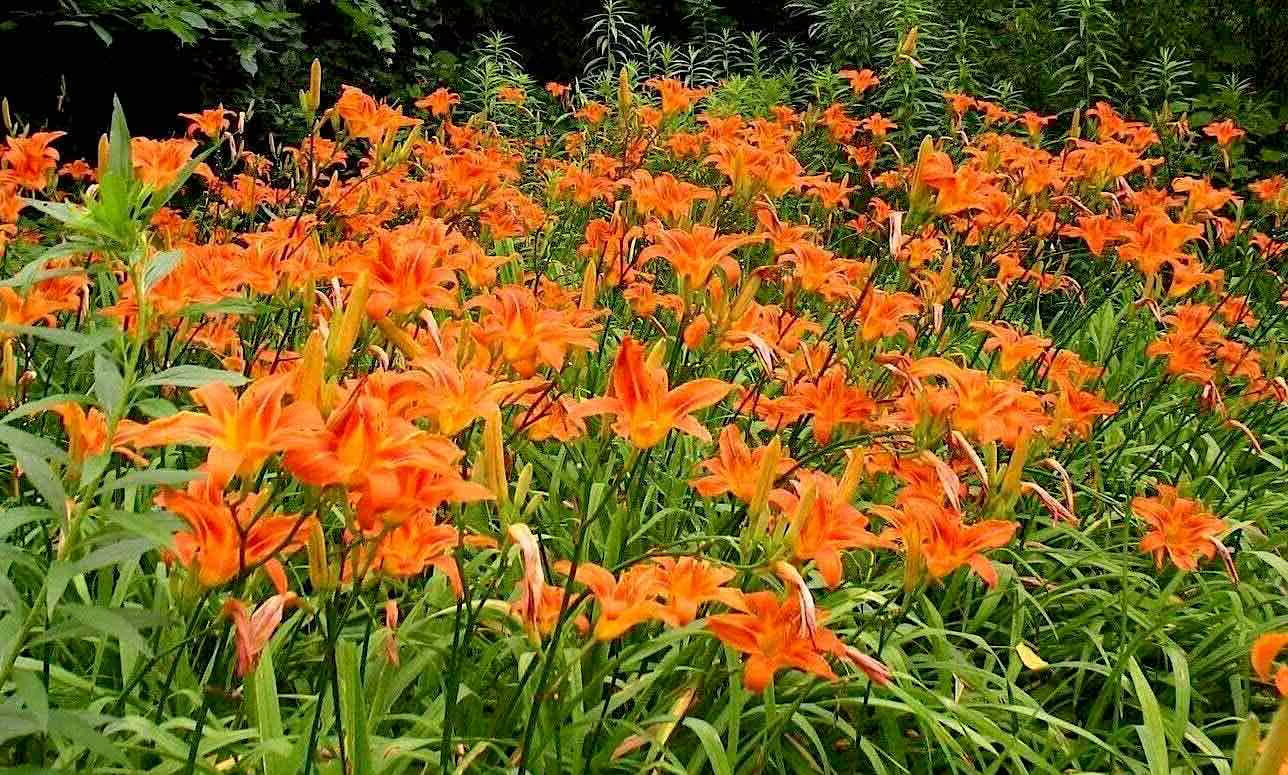
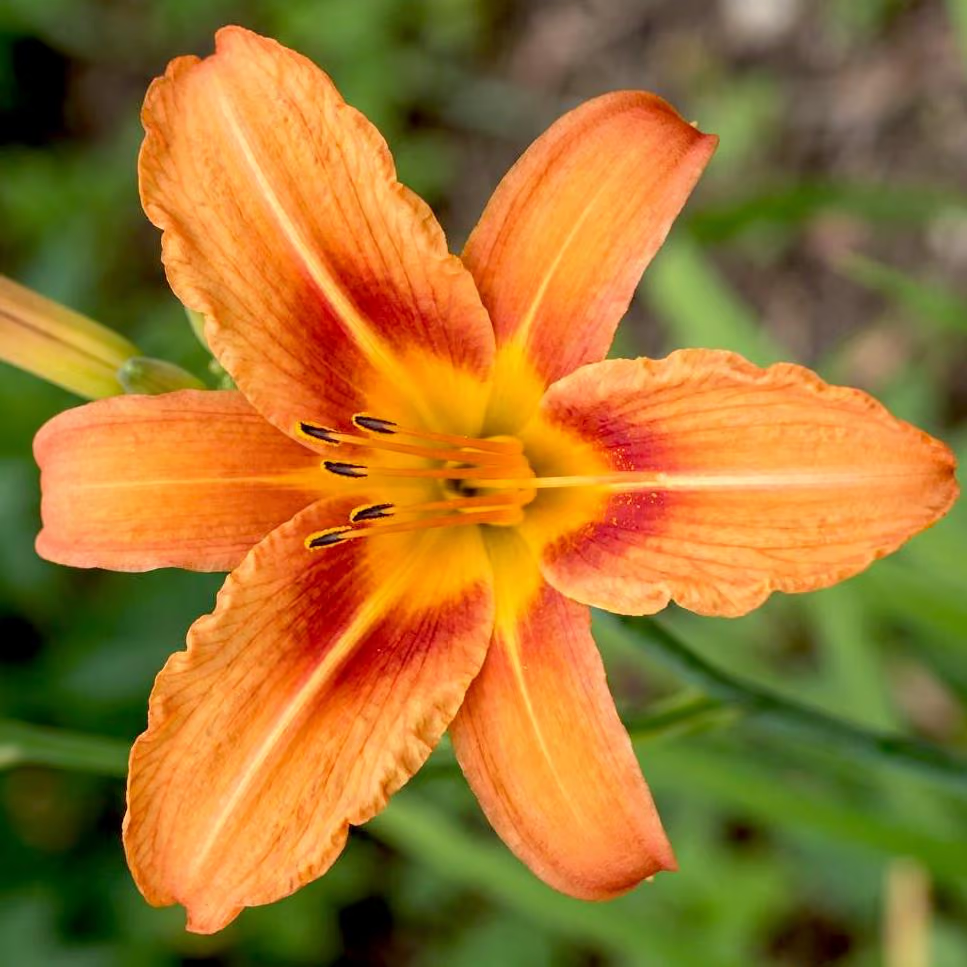
The traditional single flowers are a rich tawny orange, carried above long, arching green foliage on upright flower stalks. Each individual flower lasts just one day, but multiple buds open in succession to provide a summer display.

Unlike many ornamental perennials, ditch lilies are not particularly demanding. They tolerate a range of soil conditions, handle summer heat, and spread into larger clumps over time.

Their vigorous growth is an asset when you have space to fill. It is less helpful when planted directly beside smaller plants that need room to compete.

Plant Established Orange Daylily Bare-Root Divisions

These are substantial divisions taken from established orange ditch lily clumps. We offer individual plants with the crown and root system needed to grow independently—not loose roots or tiny pieces of a plant.

Every standard division includes:

  • Approximately 2–3 healthy growing points (the fans that produce new foliage)
  • A substantial crown connecting the growing points
  • Multiple healthy, fleshy roots attached to the crown
  • An established root system ready to resume growth after planting

Each division is a separate plant capable of developing into its own clump.

What will arrive in your order?

Our divisions ship dormant and bare-root in fall and early spring. Depending on the season, foliage may be trimmed back or entirely absent. This is normal. The living crown, growing points, and fleshy roots are what matter during dormancy.

These are not single loose roots or small fragments of a crown. We select established sections of mature clumps that are ready to grow independently.

Quantities refer to individual divisions. An order of five includes five separate plants, each meeting the standard described above. Natural variation in root length and overall shape is normal.
‍

Orange Daylily Plant Characteristics

Scientific Name: Hemerocallis fulva

‍Common Names: Orange Ditch Lily, Orange Daylily, Tawny Daylily

Flower Type: Traditional single flower

Plant Type: Herbaceous perennial

Native Range: Eastern Asia - naturalized in eastern and central USA

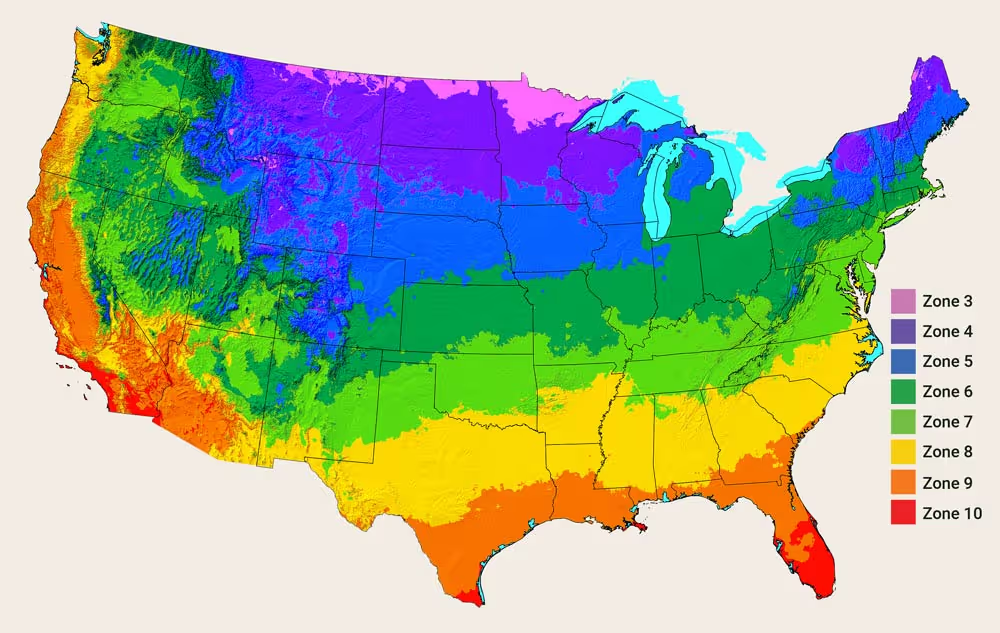
USDA Hardiness Zone: 3–9

Sun Exposure: Full sun to part shade

Soil Type: Adaptable to a range of soils

Moisture: Average to moderately moist

Mature Height: Approximately 2–4 feet, including flower stalks

Bloom Time: Summer

Flower Color: Tawny orange

Growth Habit: Vigorous, clumping and spreading

Shipping Form: Dormant bare-root divisions

Does not ship to Maryland

Orange Daylily (Ditch Lily)

USDA Zone

3-9

Orange Daylily (Ditch Lily)

USDA Zone

3-9

Orange Daylily Planting and Establishment

Our daylily divisions ship dormant and bare-root in fall and early spring. Plant them promptly after arrival whenever possible.

  1. Choose a location in full sun or partial shade.
  2. Loosen the soil enough to accommodate the fleshy roots.
  3. Position the crown near the soil surface, with the roots spread beneath it.
  4. Cover the roots and firm the soil gently around the crown.
  5. Water thoroughly after planting.
  6. Maintain reasonable moisture while the division establishes.

If planting must be delayed, keep the roots cool and slightly moist. Do not allow them to dry out or sit in standing water.

Give the plants room to expand. Established clumps can be divided again as they grow, providing additional plants for other parts of the landscape.

Where to plant Daylilies

Orange ditch lilies thrive in full sun to partial shade and adapt to a wide range of soil conditions. They grow naturally in open fields, along roadsides, fence lines, woodland edges, and old homestead plantings.

They tolerate summer heat, seasonal fluctuations, and a variety of soil types. Established plants can handle periods of dry weather, although they generally grow best with reasonable soil moisture.

Given room to grow, they form dense, expanding clumps that gradually fill an area. Choose a location where their vigorous spreading habit is welcome, particularly sunny orchard edges, perennial borders, and managed food forest plantings.

Daylilies in a Food Forest

A food forest is more than a collection of fruit trees. It uses several plant layers together to create a productive landscape.

Orange ditch lily belongs primarily in the herbaceous layer. It can fill sunny spaces around young fruit trees, occupy the edges of shrub plantings, and provide edible flowers and buds while adding durable perennial foliage.

Its best role is generally as a managed planting along sunny edges and in open areas—not necessarily directly beneath a mature, heavily shaded canopy. Ditch lily is a good candidate for the spaces where a vigorous herbaceous perennial is welcome.

A note on spreading: Hemerocallis fulva is introduced in North America and can spread aggressively, particularly through expanding clumps and underground roots. Use it in managed plantings where its growth can be contained, and avoid planting it near natural areas where it could escape.

Edible Flowers and Buds

Daylilies have a long history of culinary use, particularly in East Asian cooking. The unopened flower buds and flowers are used in a variety of dishes.

  • Flower buds: Traditionally cooked, including stir-fried, steamed, or battered preparations.
  • Open flowers: Used fresh or cooked.
  • Dried flower buds: Traditionally used in some Asian dishes and commonly known as golden needles.

This gives the orange daylily an additional purpose beyond ornamental planting.

Important edibility note: Only consume plants that have been positively identified as edible daylilies and grown without pesticides or other unsafe treatments. Do not confuse daylilies (Hemerocallis) with true lilies (Lilium), which are different plants. Individual sensitivities are possible, and unfamiliar preparations should be approached cautiously. Daylilies are highly toxic to cats.

Wildlife and Game Consumption

Orange ditch lily provides seasonal forage for some wildlife, particularly white-tailed deer and rabbits.

  • White-tailed deer: May browse tender spring foliage and flower buds.
  • Rabbits: May feed on young leaves and shoots.
  • Insects: Flowers provide a seasonal resource for visiting insects.
  • Small wildlife: Established clumps provide low-growing cover and structure.

Ditch lily is best considered supplemental seasonal forage rather than a dedicated wildlife food-plot species. Its primary value is as a hardy perennial that combines ornamental, edible, and landscape functions.

Orange Daylily FAQ

What size orange daylily division will I receive?

Each standard division includes approximately 2–3 healthy growing points, a substantial crown, and multiple healthy fleshy roots. These are established sections of mature plants, not tiny root fragments or loose roots.

Will my ditch lily arrive with green leaves?

Not necessarily. We ship dormant bare-root divisions in fall and early spring. Foliage may be trimmed back or absent entirely. This is normal and does not mean the plant is dead.

Is each division a separate plant?

Yes. Each division is an independently established section of a mature clump intended to grow into its own plant. An order of five includes five individual divisions.

Are orange ditch lilies the same as orange daylilies?

Yes. Orange ditch lily, tawny daylily, and orange daylily are common names for Hemerocallis fulva, the traditional single-flowered orange daylily offered here. This is not the double-flowered Kwanso variety.

Are daylilies edible?

The flower buds and flowers of correctly identified daylilies have traditional culinary uses. Buds are commonly cooked, and flowers can be eaten fresh or cooked. Only consume positively identified plants grown without unsafe chemical treatments. Daylilies are toxic to cats.

Will ditch lilies spread?

Yes. They form expanding clumps and can spread beyond their original planting area. Choose a location where their vigorous growth is welcome and keep them away from natural areas where they could escape.

Can I plant daylilies beneath fruit trees?

They work well around young fruit trees while sunlight is plentiful. As the tree canopy closes, flowering and vigor may decline. They are especially useful along sunny orchard edges and in open spaces between trees and shrubs.

Do deer eat ditch lilies?

Deer may browse the young spring foliage and flower buds. Rabbits may also feed on young growth. They provide some seasonal forage but are not a substitute for dedicated wildlife food-plot plants.

When should I plant bare-root daylilies?

Fall and early spring are both suitable planting times. Plant promptly after receiving your divisions, keeping roots cool and slightly moist if planting is delayed.

Bare Root Shipping & Return Policy

We Ship Healthy Dormant Trees

At BearFruit Nursery, we make sure your bare root trees, shrubs, and plants arrive happy, healthy, and ready to grow. Bare root plants and cuttings ship dormant during appropriate planting windows. Orders may be held to ensure safe arrival.

Here’s what to expect:
Your shipment may look like a “stick in the mud” — that’s normal!
You’ll receive a healthy, leafless plant with a moist, sawdust-wrapped root system.
The sawdust keeps roots from drying out and supports long-term growth.
Our plants are grown in soil, not pots, developing strong root systems that quickly outgrow container-raised plants.

Return & Refund Policy
At BearFruit Nursery, our goal is to deliver healthy, dormant bare-root trees, shrubs, and plants ready for planting.
Learn more >>
"Everything was fine with our order."
- Jerri S. Maine
"All four trees in our order look good and planted."
- Patti K. Illinois

Customer Reviews

Grow More Bare Root Fruit Trees & Shrubs

Naturally Grown Cold Hardy Plants
At BearFruit Nursery we are driven by our passion to steward our land in a manner that allows us to care for people and generate abundant harvests. We never use pesticides or herbicides on our plants. Our inputs include locally sourced wood chip mulch and grass mulch, leaf mulch, and compost that we collect on our site. We grow our plants outside in the ground or in raised beds.
Learn More