Cart
0

Bare Root Fruit & Nut Trees for Edible Landscaping & Food Forests

Bear Fruit & Thrive

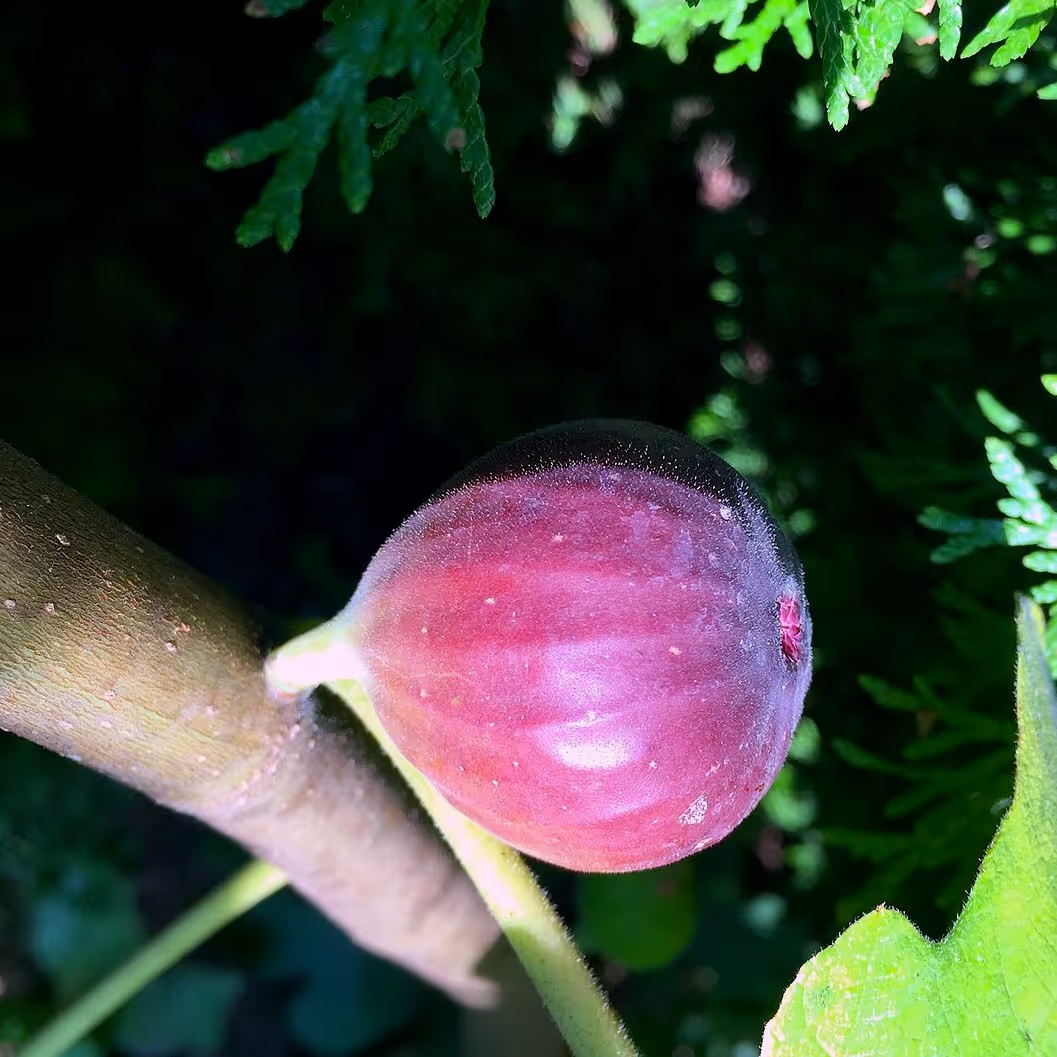
Welcome to BearFruit Nursery. We are a family-run farm that specializes in growing bare root perennial fruit trees, nut trees, berry bushes, and edible plants. Create abundance for your family in your garden, orchard, farm, or food forest with our naturally raised resilient cold-hardy plants.
Start Growing
Shop by USDA Zone
Perennial crops are the key to a sustainable and abundant future. At BearFruit Nursery we believe in a brighter and more health filled lives for our children and grandchildren. Once established perennial fruit and nut trees and shrubs are low-maintenance high-yielding food producing powerhouses that benefit the well-being of our communities, livestock systems, and surrounding wildlife.

Perennial Trees & Shrubs

Create a Food Forest

Design a 7-layer Food Forest Guild

Our tree nursery strives to plant a large variety of different species in our fruit and nut tree guilds to attract pollinators, attract beneficial insects, build soil, strengthen ecosystems, and improve human health and wellness. Browse our selection by each food forest layer; overstory trees, sub-canopy trees, shrubs, herbaceous plants, ground cover plants, root crops, and vines.
Shop Food Forest

Grow Native Plants

Plant Edible Native North American Species

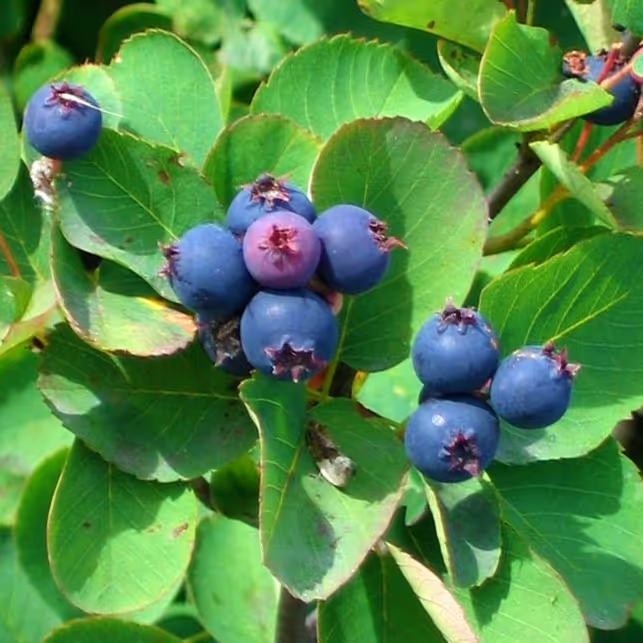
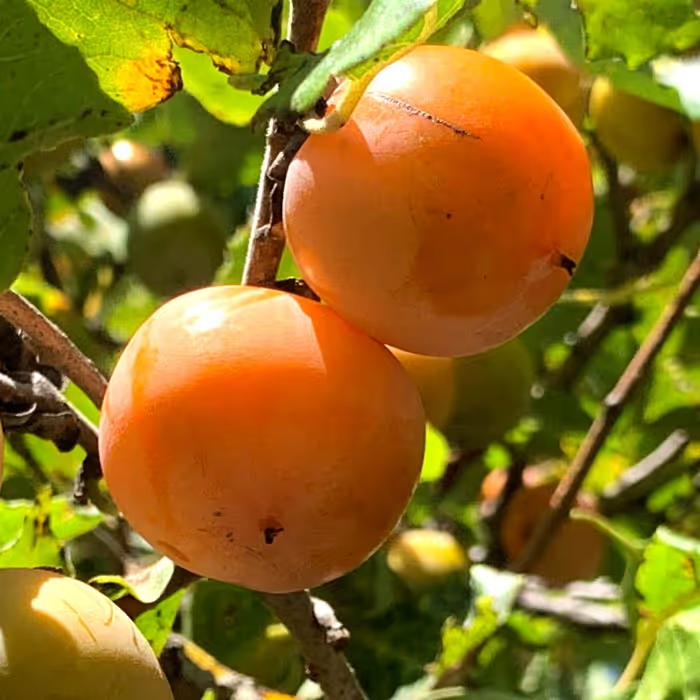
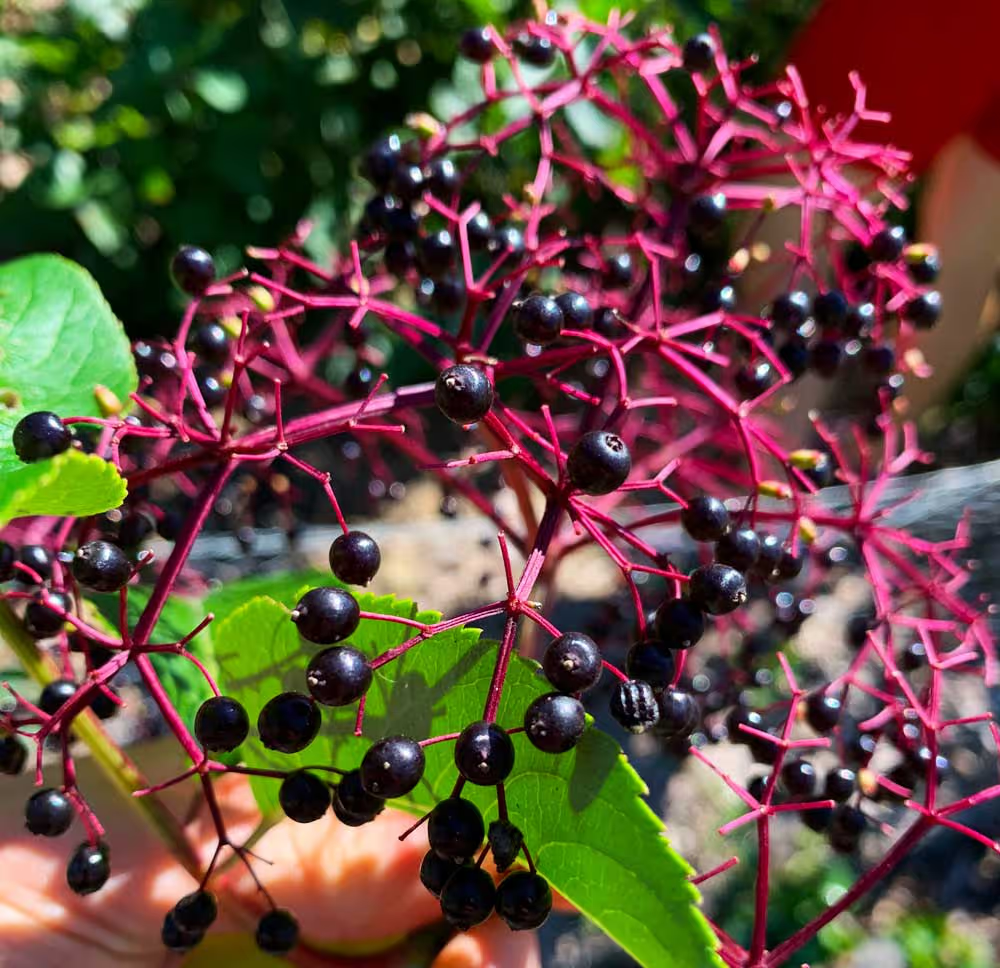
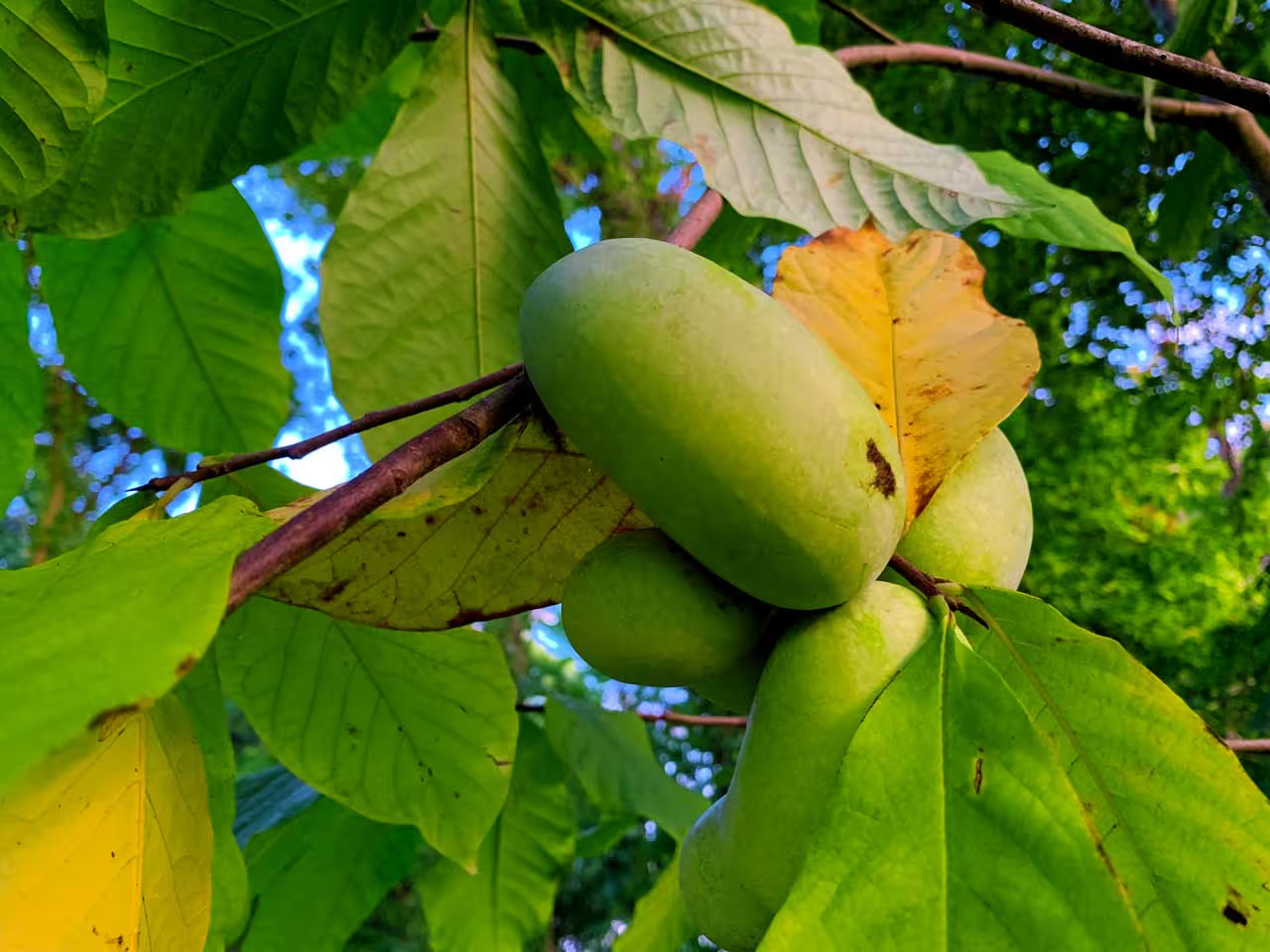
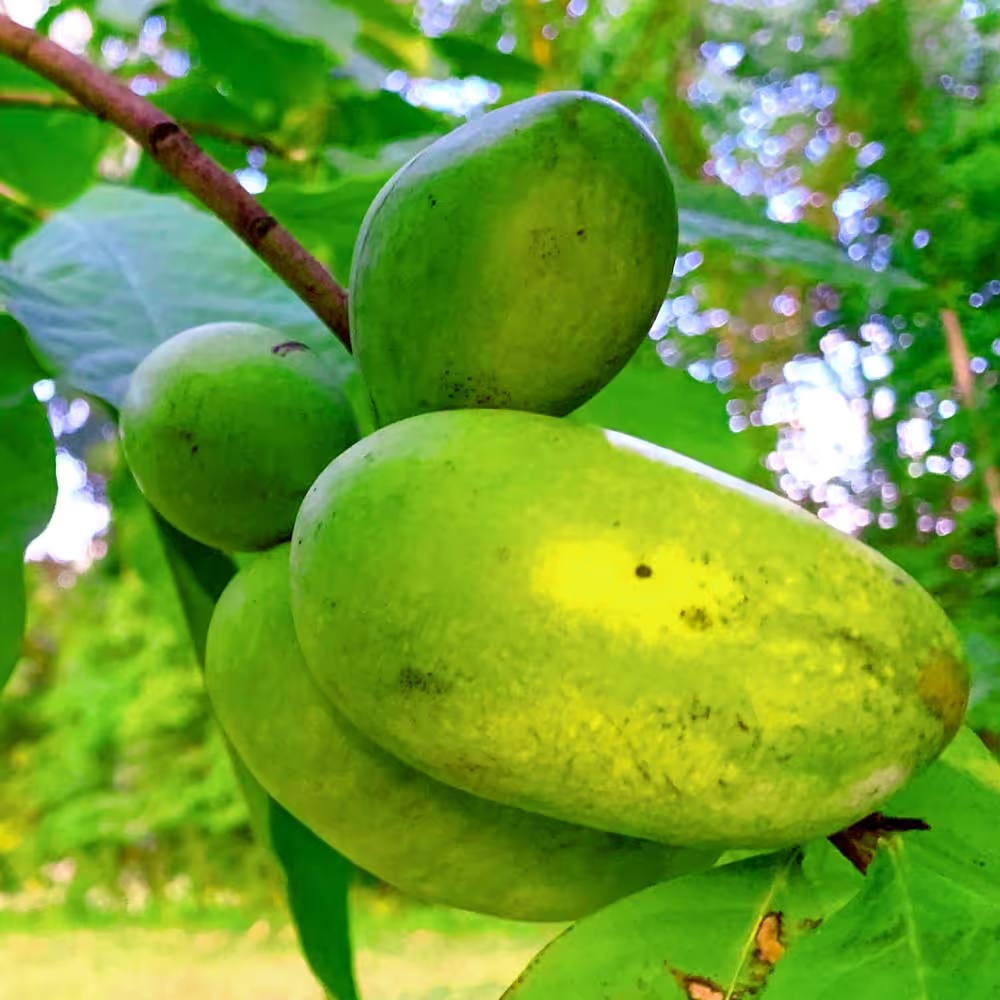
Our edible native North American plant collection includes Pawpaws, American Persimmons, Jerusalem Artichokes, Black Walnuts, American Hazelnuts, Serviceberries, American Elderberries and more.
Shop Natives

Design Perennial Food Plots

Fruit & Nut Trees to Attract Wildlife

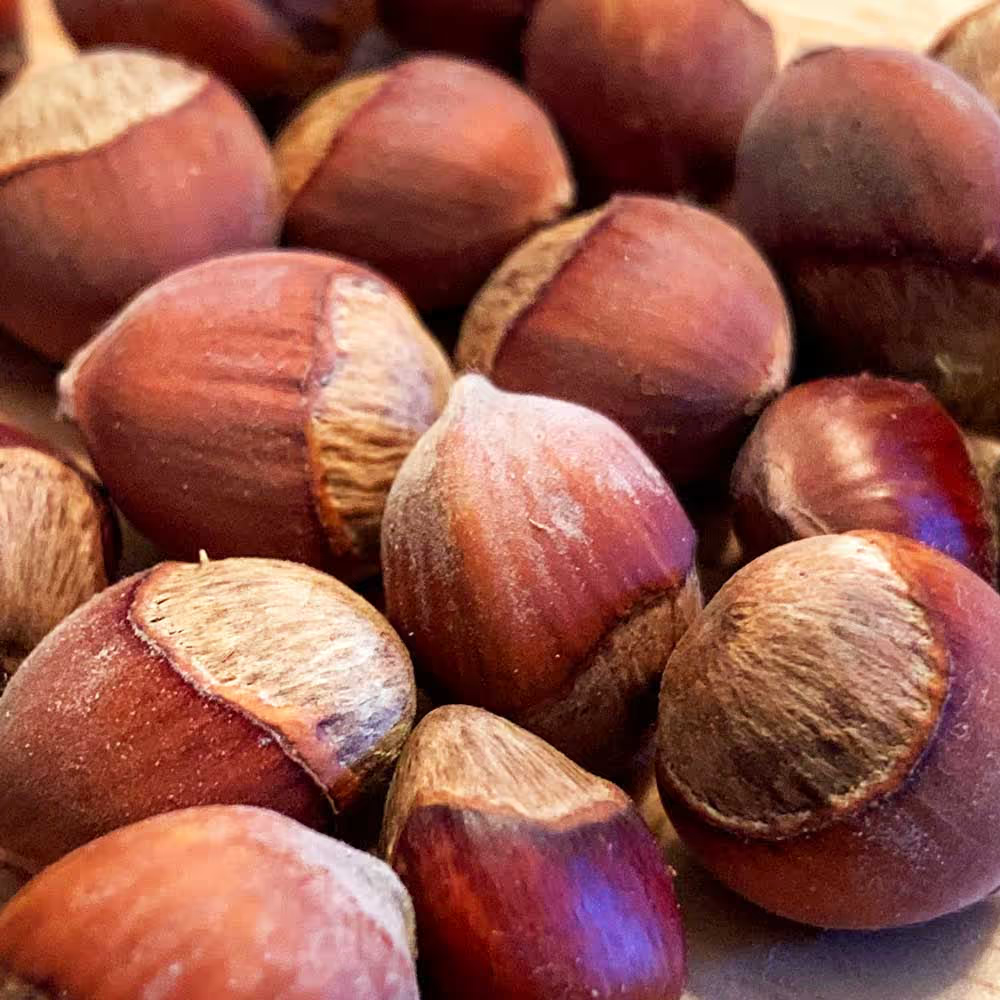
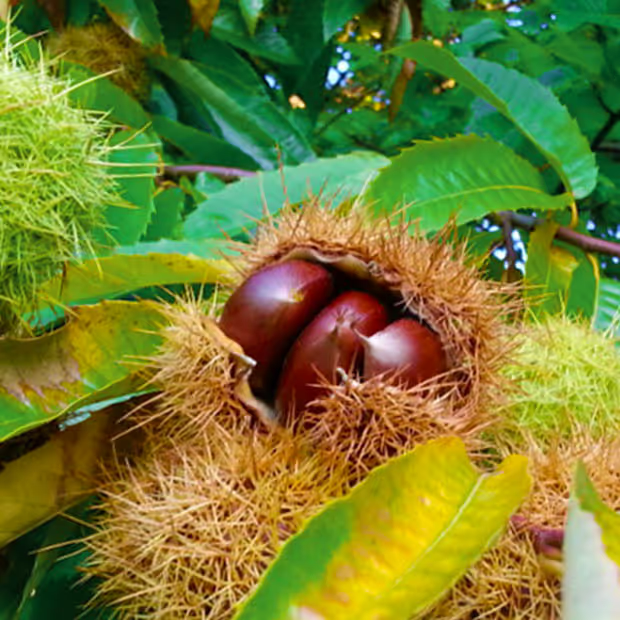
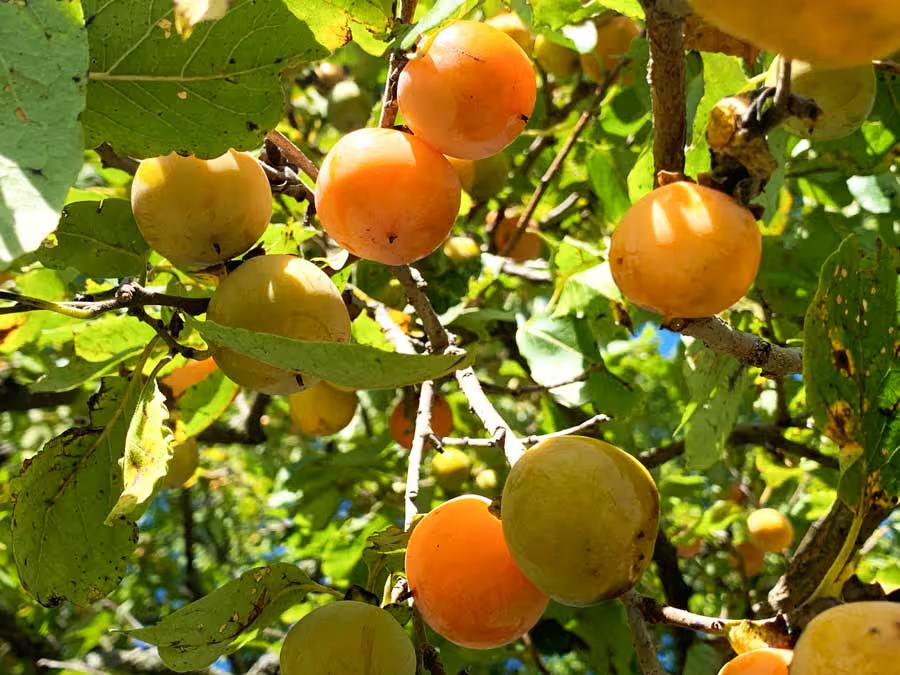
Perennial food plots can be designed to attract wildlife year after year. Plant hardy fall-dropping nut crops like Chestnuts, Hazelnuts, and Hickories to entice Deer, Turkey, and other wild game each season. Keep them coming back with sweet treats like Pawpaws or even Persimmons which in some cases can drop as late as December. Choose from our selection of berries and pollinator plants to attract birds and butterflies.
Shop Wildlife

Featured Nut Trees & Shrubs

Naturally Grown Cold Hardy Plants
At BearFruit Nursery we are driven by our passion to steward our land in a manner that allows us to care for people and generate abundant harvests. We never use pesticides or herbicides on our plants. Our inputs include locally sourced wood chip mulch and grass mulch, leaf mulch, and compost that we collect on our site. We grow our plants outside in the ground or in raised beds.
Learn More

Edible Landscaping & Fruit Tree FAQ

What is edible landscaping?

Edible landscaping is the practice of designing your landscape using fruit trees, nut trees, berry bushes, and other edible plants instead of purely ornamental plants. It allows you to create a beautiful yard that also produces food year after year.

What are bare root fruit trees?

Bare root fruit trees are dormant trees shipped without soil around their roots. They are lighter to ship, establish faster when planted correctly, and often develop stronger root systems than container-grown trees.

When should bare root trees be planted?

Bare root trees are best planted in early spring or late fall, while they are dormant. This timing allows roots to establish before active growth begins, leading to healthier long-term performance.

Are fruit trees good for edible landscaping?

Yes. Fruit trees are one of the best foundation plants for edible landscapes and food forests. They provide structure, shade, and long-term yields while supporting pollinators and beneficial wildlife.

What plants are used in a food forest?

A food forest uses multiple layers of plants, including:

  • Fruit and nut trees
  • Berry bushes and shrubs
  • Perennial herbs and groundcovers

These layers work together to create a low-maintenance, productive system inspired by natural ecosystems.

Do I need experience to start an edible landscape or food forest?

No. Many people start with just one or two fruit trees and expand over time. Edible landscapes can be built gradually and adapted to your space, climate, and experience level.

Are native plants better for edible landscapes?

Native edible plants are often more resilient and lower maintenance because they are adapted to local conditions. Many native fruiting trees and shrubs also support pollinators and wildlife.

How do I choose the right fruit trees for my area?

The best fruit trees depend on your USDA growing zone, climate, and space. Cold-hardy varieties and regionally adapted plants tend to perform best in home gardens and edible landscapes. Find plants in your growing zone

Bare Root Shipping & Return Policy

We Ship Healthy Dormant Trees

At BearFruit Nursery, we make sure your bare root trees, shrubs, and plants arrive happy, healthy, and ready to grow. Orders ship in fall or early spring while plants are dormant to reduce transplant shock.

Here’s what to expect:
Your shipment may look like a “stick in the mud” — that’s normal!
You’ll receive a healthy, leafless plant with a moist, sawdust-wrapped root system.
The sawdust keeps roots from drying out and supports long-term growth.
Our plants are grown in soil, not pots, developing strong root systems that quickly outgrow container-raised plants.

Due to the perishable and live nature of plants, we do not accept returns.
If your order arrives damaged or incorrect, please contact us within 48 hours of delivery with photos so we can resolve the issue. Approved claims may be resolved through:
Replacement of the damaged plant (subject to availability)
Refund for the damaged item

This policy applies to all live plants, trees, and shrubs sold through our website.
"Everything was fine with our order."
- Jerri S. Maine
"All four trees in our order look good and planted."
- Patti K. Illinois

Customer Reviews