Weeping Willow Frequently Asked Questions
How big does a weeping willow get?
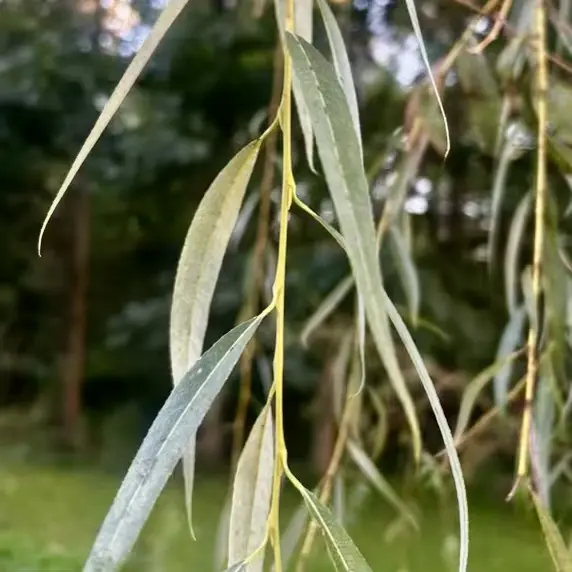
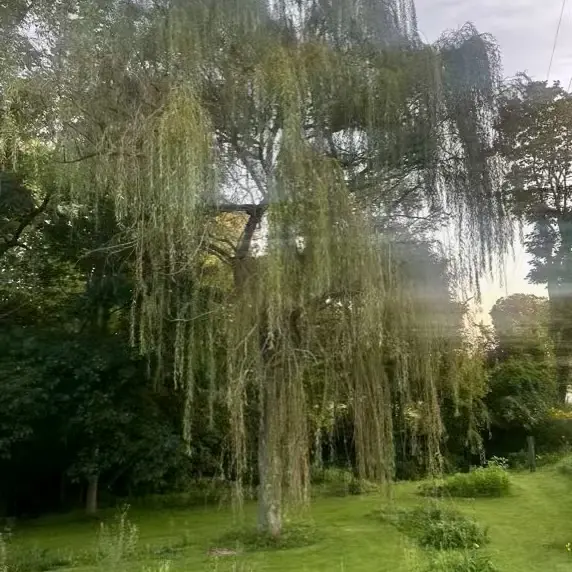
Weeping willow (Salix babylonica) can reach approximately 30–40 feet tall and wide, with exceptional trees growing considerably larger. Keep its mature size in mind when choosing a planting location, especially near structures, utilities, and other trees.
How fast does a weeping willow grow?
Weeping willow is a fast-growing tree, particularly when planted in full sun with adequate moisture. Growth varies with soil, water availability, sunlight, climate, and competition, but its rapid growth makes it popular for establishing shade relatively quickly.
Can weeping willow grow in wet soil?
Yes. Weeping willow is particularly well suited to moist and wet soils and can tolerate conditions that are too wet for many other landscape trees. It is a popular choice for areas near ponds, streams, drainage areas, and other consistently moist locations.
Can I plant a weeping willow near a pond?
Yes. Weeping willow is well suited to ponds, lakes, streams, and other waterside locations. Its cascading form makes it especially attractive around water, while its preference for moisture makes it a practical choice for these environments. Give the tree plenty of room from structures and underground infrastructure because of its extensive root system.
Is weeping willow good for wildlife?
Yes. Willow provides browse for deer and other herbivorous wildlife and supports a variety of insects. A mature willow can provide both food and habitat while adding shade and structural diversity to a wildlife planting.
Is weeping willow good for livestock?
Willow can provide supplemental browse for livestock and can be incorporated into homesteads, silvopasture, and other multifunctional plantings. Young shoots and leaves are the most useful portions for browse.
Can chickens eat willow?
Yes. Willow leaves and young branches can be offered as supplemental browse for chickens. We regularly feed willow from our own tree to our chickens. As with any supplemental plant material, willow should complement—not replace—a nutritionally complete poultry diet.
Can I plant a weeping willow in a food forest?
Yes. Weeping willow can have a place in a multifunctional food forest, particularly around moist areas and edges. Because mature willow produces substantial shade and has an extensive root system, position productive plants thoughtfully around it rather than crowding them directly against the trunk.
What can I plant under a weeping willow?
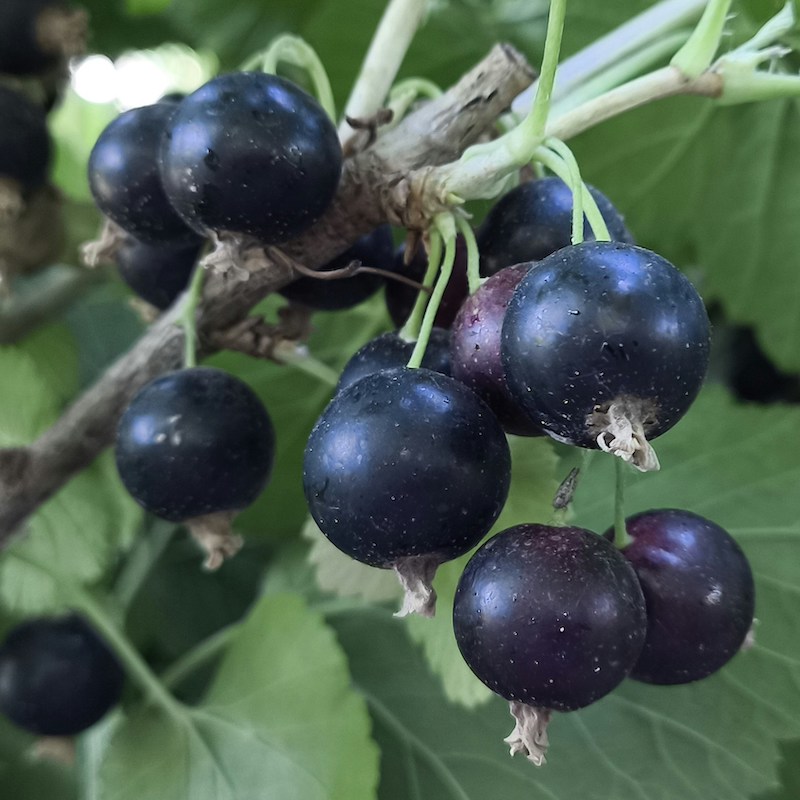
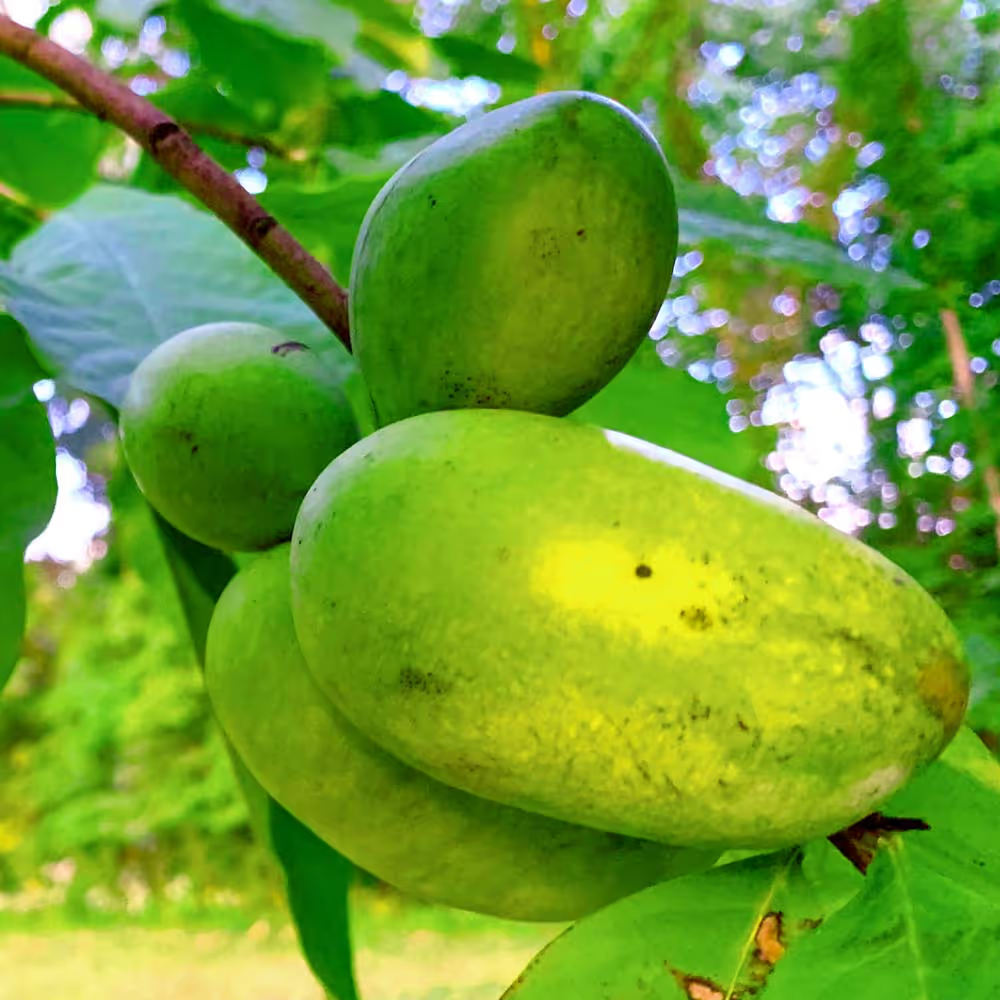
Depending on the amount of sunlight and moisture available, potential companions include pawpaw, currants, gooseberries, elderberry, ramps, ostrich fern, red vein sorrel, and garden sorrel. Fruiting shrubs and trees generally perform best toward the sunnier edges of the willow’s canopy, while shade-tolerant herbaceous plants can occupy areas closer to the tree.
Is weeping willow native to North America?
The classic weeping willow, Salix babylonica, is native to China rather than North America. It has been widely planted throughout North America as an ornamental and waterside tree. If your priority is native habitat restoration, consider a native willow species instead.
Can weeping willow be planted as a bare root tree?
Yes. Weeping willow is well suited to bare-root planting while dormant. Keep the roots moist after receiving your tree and plant as soon as practical. Bare-root trees are also economical to ship because they don’t require a container or potting soil.
What USDA zones can grow weeping willow?
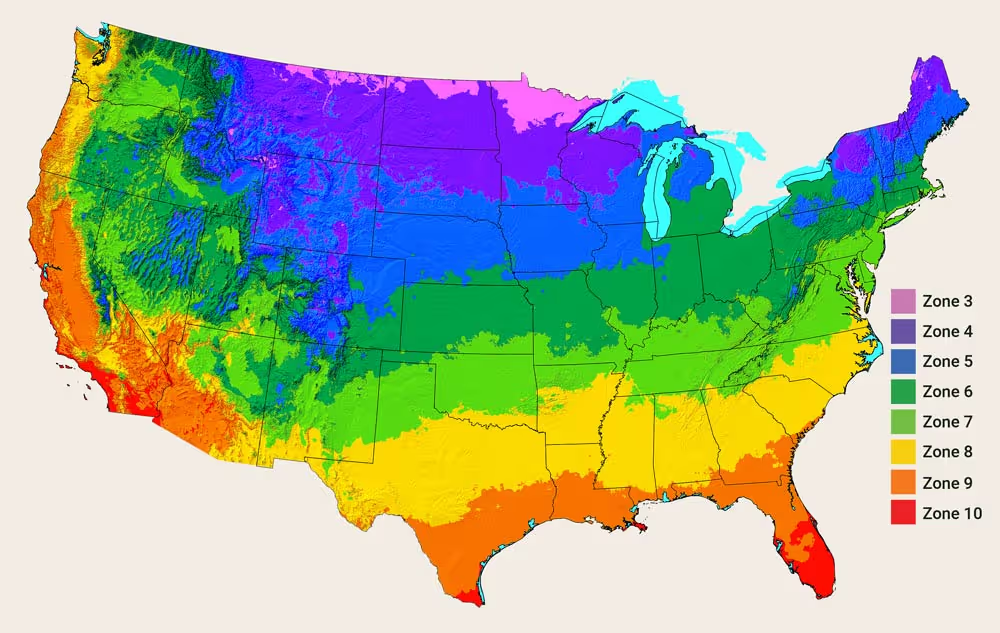
Weeping willow is generally listed for USDA Hardiness Zones 2–9, although hardiness can vary depending on the specific plant and growing conditions.