American Sycamore Seedlings – Native Shade Tree

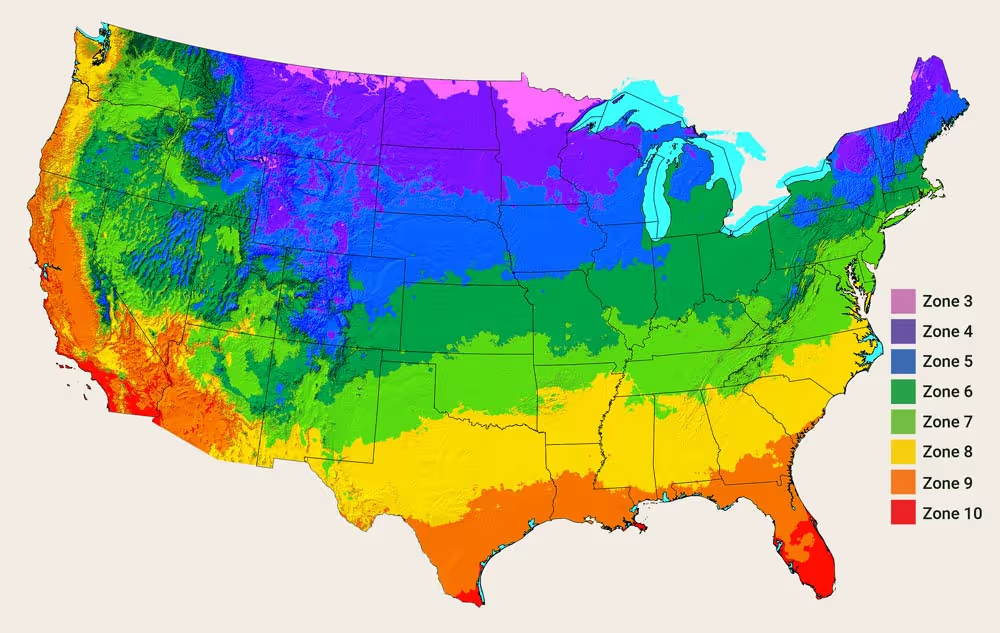
  • USDA Zone
    4-9
  • Plant Layer
    Overstory
  • Native Range
    Eastern and Central United States
  • Life Cycle
    Perennial

Looking to add a little more native canopy to your property? American Sycamore (Platanus occidentalis) is a vigorous, seed-grown native tree with plenty of character. Its striking bark and impressive growth make it a great addition to larger landscapes, wildlife plantings, and streamside restoration projects.

Shipping & Refund Policy >>
$ 7.00 USD
In-Stock
Sold-Out
(Ships dormant in Spring)

American Sycamore

Platanus occidentalis

American Sycamore Seedlings – Native Shade Tree

Sycamore Companion Plants

American Elderberry Bare Root Plants

Elderberry

$ 10.00 USD
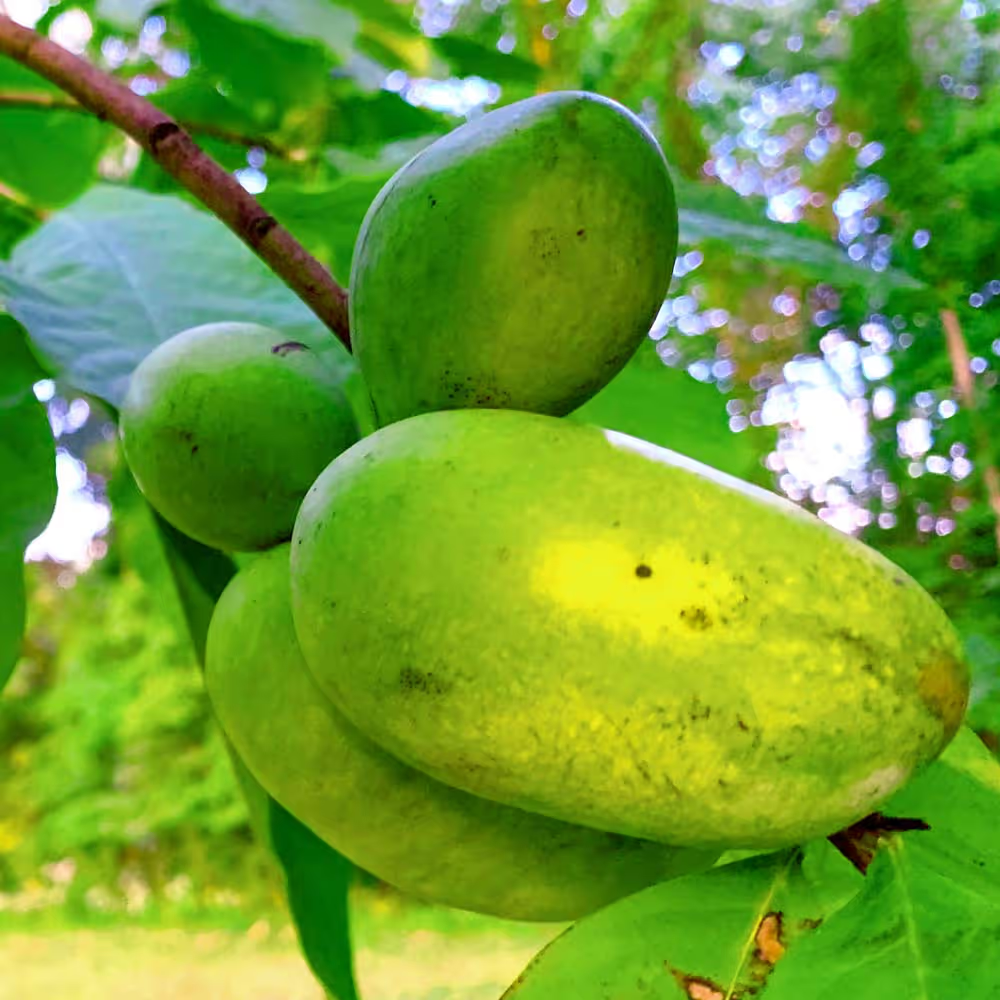
Pawpaw Bare Root Tree Seedlings

Pawpaw

$ 10.00 USD
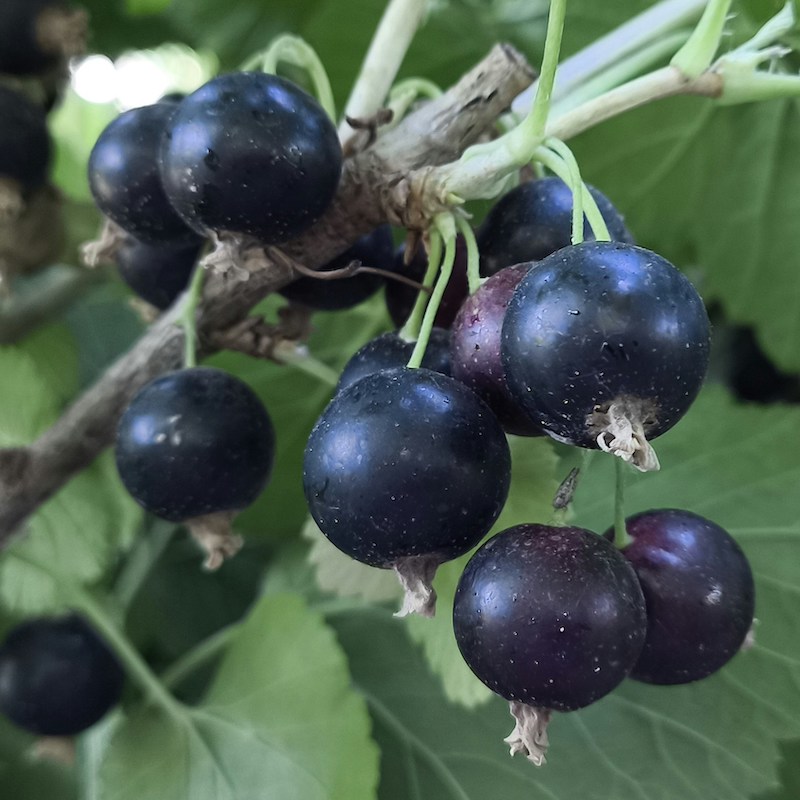
Bare Root "Freedom" Black Currant Plants

Freedom Black Currant

$ 14.00 USD
Pixwell Gooseberry Plants - Bare Root

Pixwell Gooseberry

$ 10.00 USD
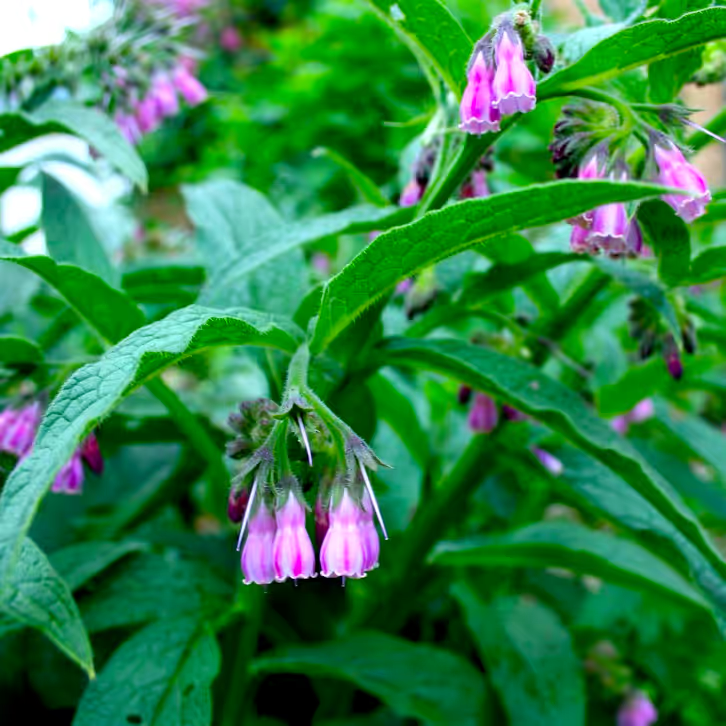
Bocking 14 Comfrey Root Crowns & Cuttings – Premium Forage & Fertility for Your Farm

Comfrey

$ 6.00 USD

Should I Plant American Sycamore Trees?

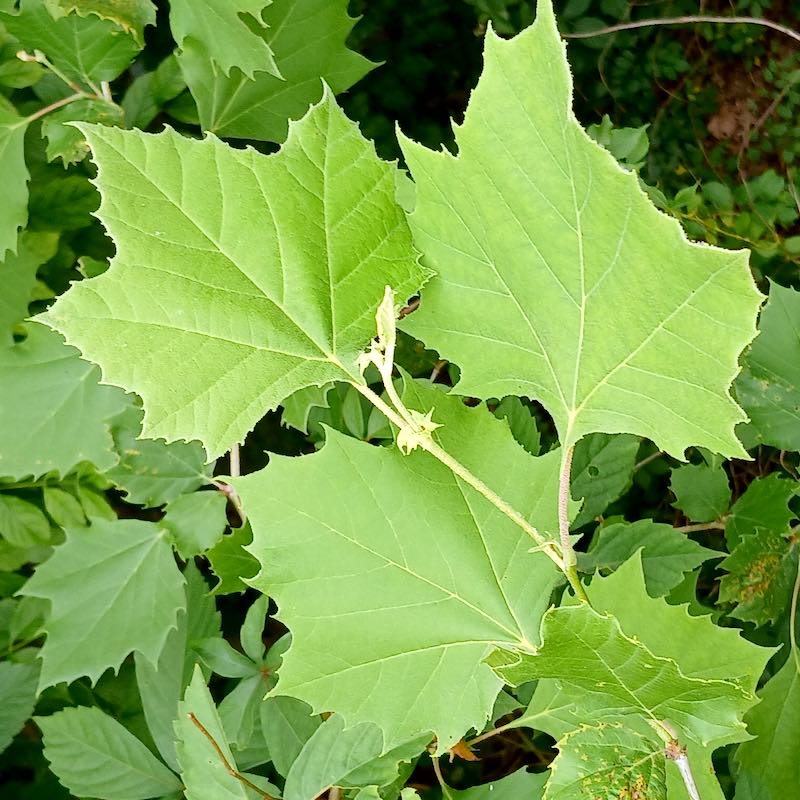
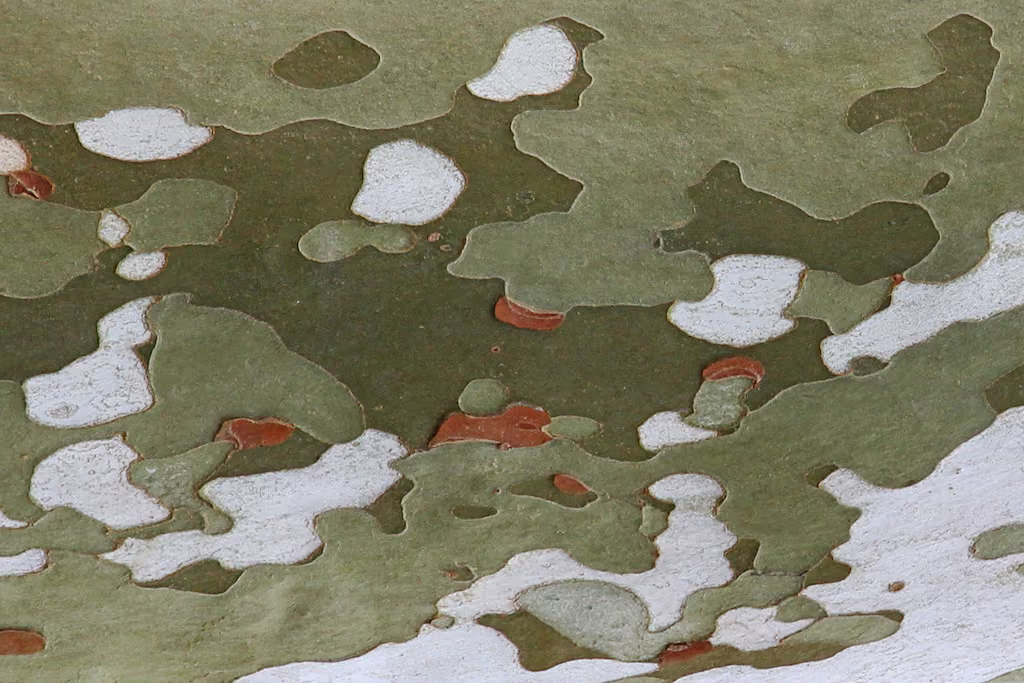
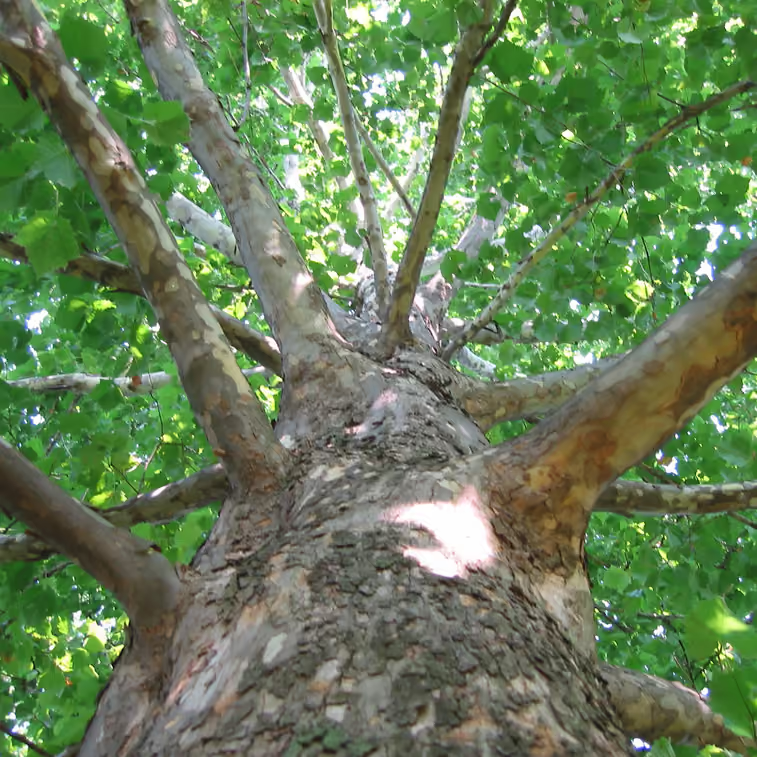
Few native trees are quite as recognizable as the American sycamore (Platanus occidentalis). With its enormous leaves, distinctive patchwork bark, and impressive spreading canopy, it’s a tree that doesn’t have much trouble getting noticed.

Sycamore is a fast-growing native tree of eastern and central North America, commonly found along rivers, streams, and rich bottomlands. It has a particular appreciation for moist soil. If there’s a tree that seems genuinely pleased to find itself growing beside a creek, this is probably it.

These first-year, seed-grown American sycamore seedlings are approximately 6 inches to 1 foot tall. They’re a great way to establish a native canopy tree for larger properties, streamside plantings, and naturalized landscapes.

American Sycamore Seedling Facts

Scientific Name: Platanus occidentalis

Plant Type: Deciduous Tree

Category: Overstory Tree

Native Range: Eastern and Central North America

USDA Hardiness Zones: 4–9

Sun Exposure: Full Sun to Part Shade

Soil Type: Deep, fertile, adaptable

Moisture: Moderate to High

Growth Rate: Fast

Mature Height: 75–100+ feet

Mature Spread: 50–70+ feet

Leaf Size: Typically 4–9 inches wide

Wildlife Value: Supports native caterpillars; nesting and cavity habitat for birds

Propagation: Seed

Food Value: Syrup (can be tapped like a maple tree for sap)

Leaf Size: Giant (could be used as loin cloth for most of the population)

American Sycamore

USDA Zone

4-9

American Sycamore

USDA Zone

4-9

Where should I plant an American Sycamore Tree?

American Sycamore grows best in full sun with deep, fertile, consistently moist soil. It is particularly well suited to creek banks, stream edges, floodplains, and other areas with reliable soil moisture. Choose a planting location with plenty of room for its mature canopy and extensive root system. Avoid planting near foundations, underground utilities, septic systems, driveways, or sidewalks. This is a tree best suited to larger properties and open landscapes where it can develop without competing for space.

American Sycamore Uses

The American Sycamore has a few unusual qualities that make it more than just another native shade tree. Its enormous, maple-like leaves commonly reach 6–10 inches across, sometimes growing even larger under favorable conditions. Its patchwork white and gray bark makes mature trees easy to recognize, especially in winter. Less commonly known, sycamores can also be tapped for sap and boiled down into syrup, much like maple trees. The sap has a lower sugar concentration, so it takes considerably more boiling to produce syrup, but it's an interesting bonus for anyone who enjoys experimenting with the edible potential of their trees.

Sycamore wood is also useful around the homestead. Although relatively lightweight, it burns readily once properly seasoned and makes excellent kindling when split into smaller pieces. Its bark can also catch a flame easily when dry, making it a handy addition to the woodpile to use when starting fires.

American Sycamore – Frequently Asked Questions

Is American Sycamore native to Indiana?

Yes. American Sycamore (Platanus occidentalis) is native to Indiana and much of eastern and central North America. It naturally grows along rivers, streams, floodplains, and moist bottomlands.

How fast does American Sycamore grow?

American Sycamore is a fast-growing native hardwood tree. Under favorable conditions with plenty of sunlight and moisture, young trees can put on substantial annual growth.

How large do American Sycamore trees get?

Mature trees commonly reach 75–100 feet tall, with a spread of 50–70 feet or more. They are best suited to larger properties and open landscapes.

Can American Sycamore grow in wet soil?

Yes. Sycamore is particularly well adapted to moist soils and can tolerate periodic flooding. It is an excellent choice for creek banks, stream edges, and low-lying areas.

Can American Sycamore be used for syrup?

Yes! Sycamore sap can be collected and boiled down into syrup, similar to maple sap. However, its sugar concentration is relatively low, so you'll need considerably more sap to produce a comparable amount of syrup.

‍

Is American Sycamore good for firewood?

Is American Sycamore good for firewood?

Sycamore makes usable firewood when properly seasoned. Its relatively lightweight wood is particularly useful for kindling when split into smaller pieces. It generally burns faster than dense hardwoods such as oak or hickory.

Do American Sycamore trees have large leaves?

Absolutely. Their distinctive, maple-like leaves commonly measure 6–10 inches across, sometimes growing larger under favorable conditions. They are among the more recognizable large leaves of native North American trees.

Does American Sycamore support wildlife?

Yes. Its foliage supports native caterpillars, while mature trees provide valuable nesting sites and cavities for birds and other wildlife.

Where should I plant an American Sycamore?

Choose a sunny location with deep, moist soil and plenty of room for its mature canopy and root system. Creek banks, open acreage, and naturalized landscapes are excellent choices. Avoid planting near foundations, underground utilities, septic systems, or pavement.

Are these American Sycamore seedlings grown from seed?

Yes. These are first-year, seed-grown American Sycamore seedlings, approximately 6 inches to 1 foot tall.

Bare Root Shipping & Return Policy

We Ship Healthy Dormant Trees

At BearFruit Nursery, we make sure your bare root trees, shrubs, and plants arrive happy, healthy, and ready to grow. Bare root plants and cuttings ship dormant during appropriate planting windows. Orders may be held to ensure safe arrival.

Here’s what to expect:
Your shipment may look like a “stick in the mud” — that’s normal!
You’ll receive a healthy, leafless plant with a moist, sawdust-wrapped root system.
The sawdust keeps roots from drying out and supports long-term growth.
Our plants are grown in soil, not pots, developing strong root systems that quickly outgrow container-raised plants.

Return & Refund Policy
At BearFruit Nursery, our goal is to deliver healthy, dormant bare-root trees, shrubs, and plants ready for planting.
Learn more >>
"Everything was fine with our order."
- Jerri S. Maine
"All four trees in our order look good and planted."
- Patti K. Illinois

Customer Reviews

Grow More Bare Root Fruit Trees & Shrubs

Naturally Grown Cold Hardy Plants
At BearFruit Nursery we are driven by our passion to steward our land in a manner that allows us to care for people and generate abundant harvests. We never use pesticides or herbicides on our plants. Our inputs include locally sourced wood chip mulch and grass mulch, leaf mulch, and compost that we collect on our site. We grow our plants outside in the ground or in raised beds.
Learn More